
The Silent Shift in Digital Asset Management
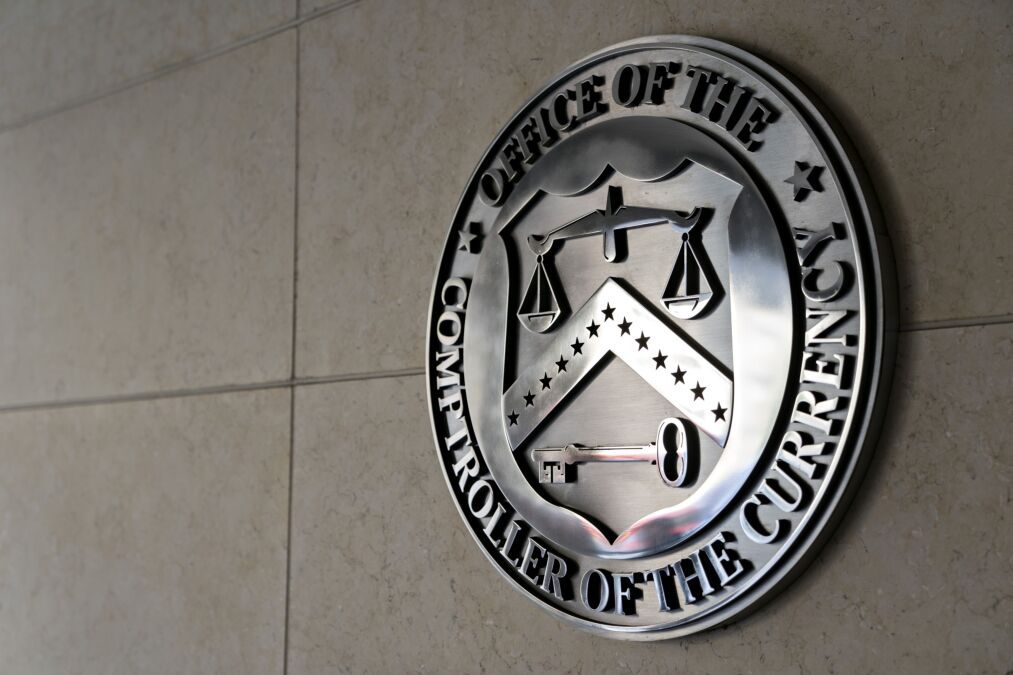
The financial landscape is undergoing a quiet but profound transformation, one where the very concept of a passive bank balance is becoming a relic. On-chain infrastructure, the complex yet elegant systems that power blockchain networks, is rendering idle funds obsolete. For traditional banks, this isn’t just a technological footnote; it’s an existential challenge to their core custody business. The Office of the Comptroller of the Currency (OCC), the federal agency overseeing national banks, finds itself at a critical juncture. Its next moves could determine whether these established institutions remain relevant or become mere spectators in the burgeoning market for digital asset safekeeping.
Why Idle Balances Are a Thing of the Past
Imagine a world where your money never sleeps. In the traditional system, funds sitting in a custody account might earn minimal interest, if any, while the bank potentially leverages them for its own gain. The new paradigm of decentralized finance, or DeFi, built on public blockchains, flips this model on its head. Here, assets can be programmatically put to work every second, earning yield through lending, liquidity provision, or staking. Consumers, especially those in the crypto sphere, are increasingly aware of these opportunities. They are no longer willing to accept below-market-rate returns on their digital holdings. This shift in consumer expectation is the tidal wave heading for the banking shore.
The Regulatory Hurdle for Traditional Custodians
So, why aren’t banks simply offering these competitive yield products? The answer often lies in a tangled web of regulatory uncertainty and legacy technology. The OCC has made strides, notably with interpretive letters clarifying banks’ authority to hold crypto assets. However, the practical path for a bank to actively manage and deploy these assets in on-chain protocols remains murky. Can a federally chartered bank legally participate in a decentralized autonomous organization (DAO) vote? What are the capital requirements for providing liquidity on an automated market maker? Without clearer, more proactive guidance, banks are effectively hamstrung. They can hold the keys, but they cannot unlock the value, leaving them offering a costly, inferior service.
The Competitive Threat from Agile Fintech
While banks navigate this regulatory fog, a fleet of agile fintech companies and specialized crypto-native firms are sailing ahead. These entities are built on the very on-chain infrastructure that defines this new market. They offer seamless, integrated custody solutions where assets are not just stored but are immediately productive. For a generation of investors who manage their portfolios from smartphones, the appeal is undeniable. The risk for banks isn’t just losing a new revenue stream; it’s the gradual erosion of their role as the primary guardian of client wealth. If you can’t offer competitive yield on digital assets, why would a client keep them with you?
Beyond Custody: The Broader Implications for Banking
This custody dilemma is a symptom of a larger challenge. The financial system is becoming modular, with best-in-class services for each function, from payments to lending, accessible via APIs and smart contracts. In this environment, monolithic institutions that try to do everything risk doing nothing well. The race isn’t just about holding Bitcoin; it’s about providing the gateway to an entire digital economy. Banks that fail to secure a foothold in custody may find themselves locked out of adjacent services like tokenized securities, real-world asset (RWA) protocols, and complex treasury management for web3 businesses.
A Call for Clarity and Innovation
What, then, should the OCC do? The agency must move from granting permission to paving a highway. This means providing a comprehensive, actionable framework for bank engagement with on-chain activities. It involves clarifying liability, outlining permissible protocols, and establishing clear audit trails for decentralized operations. This isn’t about reckless deregulation; it’s about creating guardrails for a safe and sound banking system that can compete globally. The goal should be to allow regulated entities to harness innovation for their customers’ benefit, not to stifle it until the market moves on without them.
Integrating Modern Financial Tools
Embracing this new world also means integrating the tools that make it accessible. For professionals and enthusiasts navigating this space, managing expenses across traditional and digital realms can be a hassle. This is where services like a trusted and free virtual card generator from VCCWave become invaluable. By providing secure, disposable card numbers, such tools offer a crucial layer of control and security for online subscriptions, protocol fees, and SaaS tools used in digital asset management, blending the old financial world with the new seamlessly.
The Stakes for the Future of Finance
The clock is ticking. Every quarter of hesitation widens the gap between traditional finance and the on-chain future. The OCC has a historic opportunity to steward the U.S. banking system into a new era of competitiveness. By acting decisively, it can ensure that banks evolve from vaults into active, productive hubs in the digital asset ecosystem. The alternative is a future where banks are relegated to the sidelines, custodians of a shrinking pool of legacy assets, while the dynamic new economy flourishes beyond their walls. The question isn’t if on-chain finance will mature, but who will be left holding the keys.