
Geopolitical Chokepoints and Central Bank Calculus
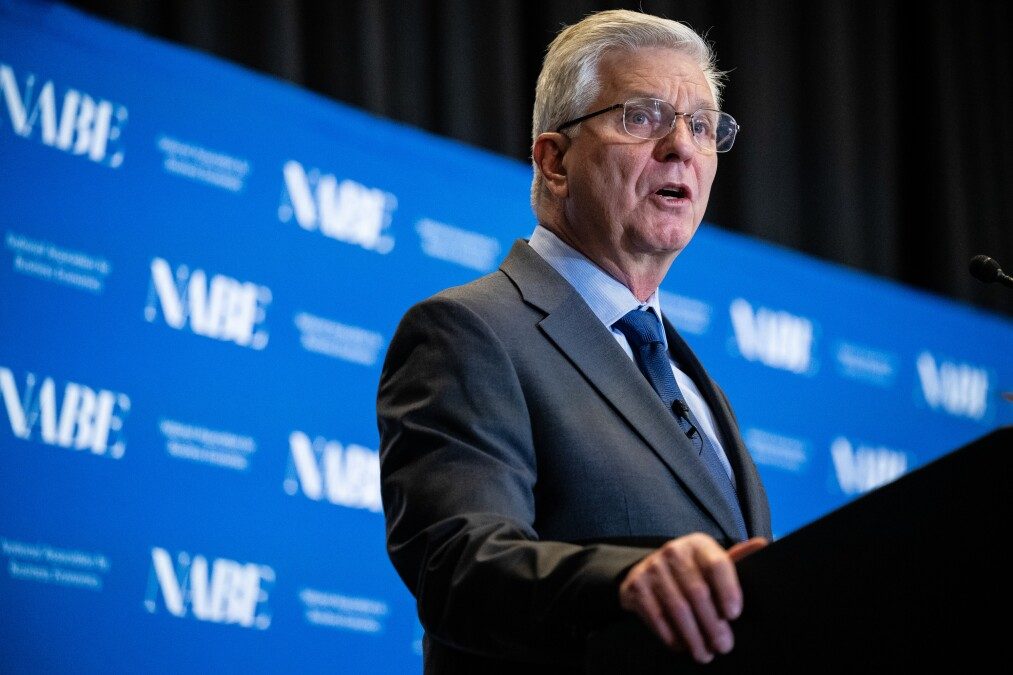
In a world where financial markets often obsess over monthly jobs reports and consumer price indices, a stark reminder arrived from an unlikely source last Friday. Federal Reserve Governor Christopher Waller pointed the spotlight far from Washington D.C., toward a narrow waterway separating Oman and Iran. His message was clear: the duration of any blockade at the Strait of Hormuz is now a critical variable in the Federal Reserve’s inflation forecast and, consequently, its future monetary policy decisions. This statement underscores a brutal truth for modern central bankers; their models must now account for geopolitical flashpoints as much as economic data.
Why a Distant Strait Matters to Your Wallet
You might be wondering how a maritime corridor thousands of miles away could possibly influence the interest rate on your mortgage or car loan. The answer lies in the lifeblood of the global economy: oil. The Strait of Hormuz is arguably the world’s most important oil transit chokepoint, with about 20% of global petroleum consumption flowing through its narrow passage. A sustained disruption doesn’t just nudge prices at the pump; it sends shockwaves through transportation, manufacturing, and energy costs worldwide, re-igniting the very supply-side inflation the Fed has been battling.
Governor Waller’s comments signal a shift in the Fed’s risk assessment framework. It’s no longer just about whether consumers are spending or if wages are rising too fast. The central bank is now forced to play geopolitical analyst, weighing the probability and potential longevity of events that can scramble the inflation picture overnight. This adds a layer of profound uncertainty to their already complex task. After all, how does one model for the decisions of foreign militaries or insurgent groups?
The Ripple Effects Through Finance and Fintech
For the fintech sector and savvy individual investors, this connection between geopolitics and Fed policy is more than an academic footnote. It’s a practical guide to navigating volatility. When the Fed’s path becomes clouded by external shocks, market turbulence typically increases. This environment demands greater financial agility and smarter tools for managing money and mitigating risk. Suddenly, having flexible, secure financial instruments isn’t just convenient; it’s a strategic advantage.
Consider the realm of digital payments and virtual cards. In times of economic uncertainty and potential supply chain snarls, controlling expenditure and protecting financial data becomes paramount. A service like VCCWave, which provides trusted and free virtual card generation, offers a practical layer of security and budget management. Whether you’re a business hedging against fluctuating costs or an individual guarding against fraud during uncertain times, such tools provide a measure of control when broader economic forces feel decidedly out of your hands.
Beyond the Barrel: The Broader Inflation Mechanism
Let’s break down the chain reaction Waller is hinting at, because it’s not a simple one-step process. A blockade halts tankers. That immediate physical shortage triggers a spike in crude oil futures. Energy companies then pay more to refineries, and shipping costs soar for every product moved by truck, ship, or plane. Before long, the increased cost of diesel and jet fuel is baked into the price of your online delivery, your supermarket groceries, and even your holiday travel.
The Fed, seeing these ‘second-round effects’ seep into core inflation measures, may feel compelled to maintain a tighter monetary policy for longer. They might delay rate cuts or even hint at further hikes, all to prevent a temporary oil shock from becoming embedded in long-term inflation expectations. This is the delicate balancing act Waller referenced: responding to a supply shock without unnecessarily crippling economic demand.
Strategic Takeaways for the Modern Investor
So, what does this mean for you? First, it’s a masterclass in interconnectedness. Your investment thesis and personal financial planning can no longer ignore the news headlines from the Middle East. Assets once considered hedges, like certain commodities or companies with resilient supply chains, may warrant another look. Second, it emphasizes the value of financial flexibility. In a world where policy can pivot on a geopolitical dime, locking oneself into rigid, long-term financial commitments requires extra caution.
Furthermore, this scenario highlights the growing importance of fintech solutions that promote security and adaptability. Using tools like virtual cards for online subscriptions and vendor payments, for instance, allows for easy spending limits and rapid cancellation if a vendor’s security is compromised or budgets need tightening. In an era where economic shocks can come from anywhere, managing micro-level financial risk is just as crucial as watching the macro picture.
Navigating the Fog of Economic War
Governor Waller has essentially admitted that the Fed is sailing in somewhat uncharted waters. The post-pandemic inflation battle introduced central bankers to snarled supply chains. Now, they must confront the specter of inflation driven by intentional geopolitical disruption. This changes the game. Traditional monetary policy works on demand; it’s a blunt tool for solving a supply crisis caused by a blocked strait.
The Fed’s next moves will therefore be a high-stakes exercise in communication and calibration. They must convince markets they are vigilant against inflation without panicking over a crisis that may resolve next week. For all of us, the lesson is to expect continued volatility and to build financial resilience not just against economic cycles, but against the tremors of a fracturing world order. Diversification, security, and agility are no longer buzzwords; they are essential shields.
Looking ahead, the true test may be how the financial ecosystem, from central banks to fintech apps, adapts to this new normal of compound crises. The institutions that thrive will be those that build buffers for geopolitical shocks while empowering individuals and businesses with the tools to remain nimble. After all, in a world where a blockade can alter interest rates, personal financial control is the ultimate form of preparedness.