
The global economic system often feels like a finely tuned machine. But sometimes, a single geopolitical spark can throw the whole mechanism into chaos. The ongoing tensions with Iran have proved to be exactly that kind of spark, sending shockwaves through industries you might not immediately associate with Middle Eastern geopolitics.
We are talking about your local farm, the trucking company that delivers your groceries, and even the bank where you stash your cash. The domino effect is real, and it is moving fast.
Fuel Prices and the Squeeze on Small Business
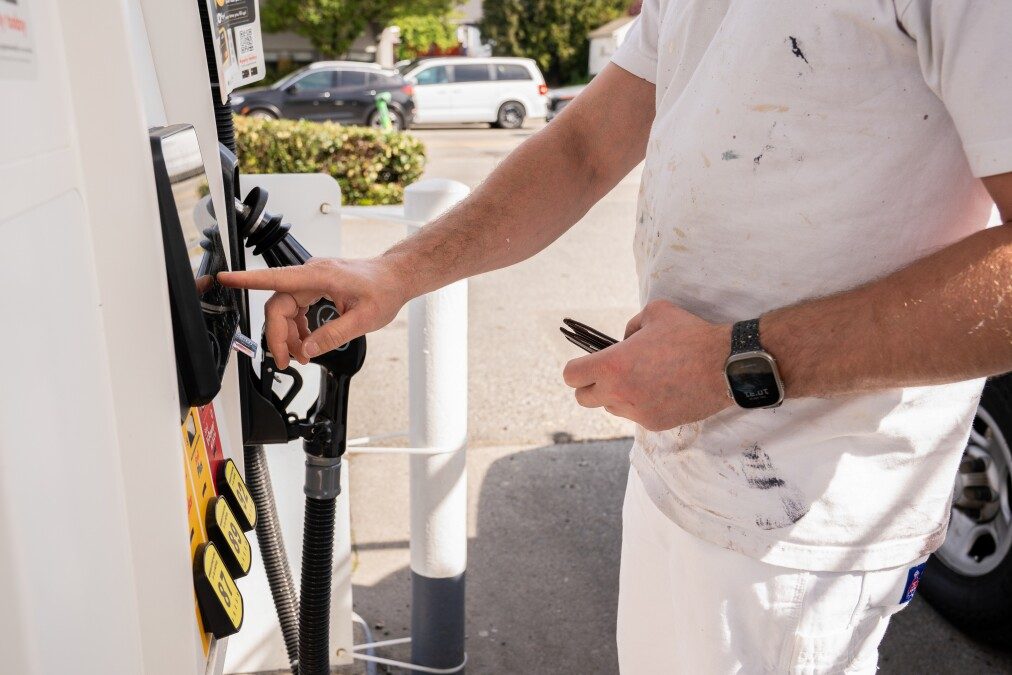
When energy markets get jittery, the first thing to spike is the price at the pump. For small businesses, especially those in agriculture and transportation, this is not an abstract market fluctuation. It is a direct hit to the bottom line.
A farmer running a fleet of irrigation pumps and harvesters sees fuel costs eat into margins that were already razor thin. A logistics operator watching diesel prices climb knows that every mile becomes a little more expensive. Suddenly, a profitable route turns into a break even proposition, or worse, a loss leader.
These businesses operate on tight cash flow cycles. They cannot simply pass every cost increase to the consumer overnight. The result is a painful period of adjustment, one that often forces owners to delay equipment upgrades, cut back on hires, or dip into personal savings just to keep the wheels turning.
The Banking Sector: Short Term Wins, Long Term Nerves
For financial institutions, the picture is more complicated. In the short term, rising energy prices can actually look like good news. Banks see increased demand for working capital loans from businesses trying to bridge the gap between rising costs and incoming revenue. Loan volumes go up, and so do the interest payments attached to them.
But here is the catch: those high interest loans carry a much greater risk of default. If a trucking company or a farm cannot manage the fuel surcharges, they might struggle to repay the bank. That is where the long-term concern kicks in.
Bankers are now staring at a potential wave of non performing assets. Credit officers are tightening their underwriting standards, making it harder for small businesses to get the very capital they need to survive the price shock. It is a classic squeeze play, and no one enjoys being the one caught in the middle.
Payment Flows Under Pressure
There is another layer to this story that rarely makes the headlines. When fuel prices increase, payment cycles slow down. Businesses that usually pay their invoices in 30 days start stretching to 45 or 60 days. This creates a cash crunch that ripples through the entire supply chain.
Imagine a small farm that needs to pay for fertilizer, but its main buyer, a logistics company, is late on payment because fuel ate up its working capital. The farm then struggles to pay its own input suppliers. This kind of domino effect can freeze economic activity in a region faster than any government policy can address.
Digital Tools as a Safety Net
Savvy operators are looking for ways to buffer themselves against these shocks. One of the most effective strategies involves managing payment infrastructure more intelligently. Virtual card technology, for example, allows businesses to issue single use or merchant locked payment details for specific transactions.
This is not just about security. It is about control. A business can set spending limits per card, track every expense in real time, and reconcile payments instantly. When every dollar counts, having that level of granular oversight can be the difference between staying afloat and going under.
For companies that need a reliable, free, and secure way to generate these virtual cards, VCCWave offers a trusted solution. It helps businesses maintain tight cash flow management without the overhead of traditional banking systems. Think of it as a digital safety net for an increasingly volatile world.
Adapting to a New Normal
The agricultural and transport sectors have always been resilient. But resilience is not the same as invincibility. The Iran situation is forcing operators to rethink everything from route planning to inventory management.
Some farmers are investing in alternative energy sources, like solar powered pumps, to reduce dependence on diesel. Transport companies are using AI driven software to optimize delivery routes and cut fuel waste. These are smart moves, but they require capital that is currently hard to come by.
The banks, meanwhile, are caught in a paradox. They want to support their business customers, but they also have to protect their own balance sheets. The smartest institutions are starting to offer flexible credit products tied to real time business data, rather than relying on static credit scores alone.
Looking Ahead: A Fragile Equilibrium
The global economy is not about to collapse. But it is in a period of painful recalibration. The dominoes that started falling with energy prices are now touching farms, then trucks, then ledgers, and finally bank vaults. Each link in the chain feels the weight of the previous one.
The key question is whether small businesses and their financial partners can adapt quickly enough. Those that do will find new ways to operate leaner, smarter, and with more digital resilience. The rest will have a very uncomfortable few quarters ahead.
One thing is certain: the relationship between geopolitics and everyday economics has never been more visible. And for the farmer, the truck driver, and the banker, that visibility does not bring comfort. It brings urgency.