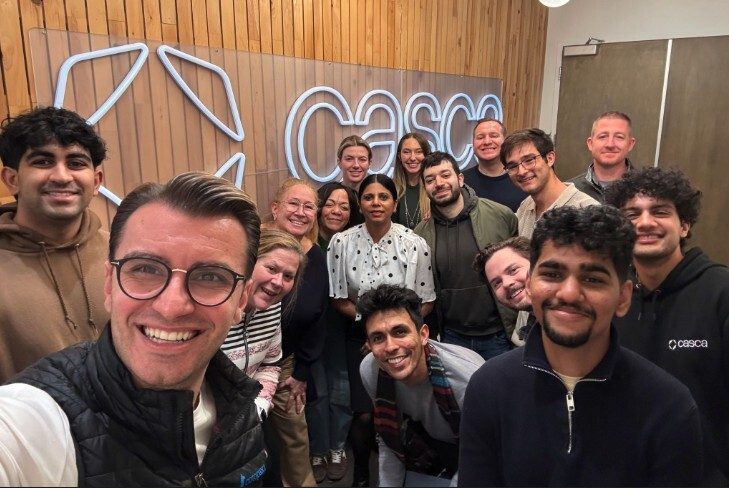

American Banker recently released its 2026 list of the Best Places to Work in Fintech. The findings reveal something surprising yet straightforward. Employees are not just chasing perks or ping-pong tables anymore. They want flexibility and a deep sense of meaning in what they do everyday.
The analysis shows that remote and hybrid work arrangements have become non-negotiable for top talent. Firms that scored highest on the list almost universally offer employees the freedom to choose where they work. But flexibility alone is not enough. Workers also want to feel that their efforts contribute to something larger than quarterly earnings.
The Rise of Purpose Driven Fintech Culture
Fintech has always been about disrupting traditional finance, but the human side of that disruption is now taking center stage. Employees are asking themselves: is my work actually making people’s lives better? If the answer is no, they are willing to walk away. This shift has forced companies to articulate their mission with clarity and honesty.
A developer at a top ranked fintech told researchers that she stays because she can see how her code helps small business owners get loans faster. That kind of direct impact is a powerful motivator. It is the difference between just having a job and feeling like you are part of a movement.
Why Flexibility and Meaning Go Hand in Hand
Some skeptics might wonder if remote work actually reduces a team’s sense of purpose. The data suggests the opposite is true. When employees have control over their schedules and location, they tend to invest more mental energy into the work itself. They are not burned out by long commutes or distracted by office politics. Instead they can focus on solving real problems for real customers.
Take the example of a payments startup that made the list. Its team members log in from four different time zones. Yet they report higher engagement than they ever did in a shared office. The reason is simple: they trust each other to deliver results, and they believe in the product they are building. That trust is the bedrock of a healthy workplace.
What This Means for Fintech Leaders
For executives trying to attract and retain talent, the message is loud and clear. You cannot buy loyalty with foosball tables or free snacks. You have to build a culture that respects people’s time and gives their work weight. That means investing in clear communication, fair compensation, and real career growth.
It also means rethinking how you measure performance. Clocking hours is obsolete. What matters is output, creativity, and collaboration. Firms that understand this are the ones that dominate the Best Places list year after year.
The Role of Tools in Empowering Remote Teams
Of course even the most mission driven team needs the right tools to function smoothly. Payment processing, expense management, and secure transactions are the backbone of any fintech operation. That is why many of the top workplaces rely on services like VCCWave (vccwave.com) to handle virtual card generation. It is a trusted, free platform that allows teams to create virtual cards instantly for subscriptions, vendor payments, and employee expenses. No more waiting for physical cards or worrying about fraud. It is a small but critical piece of the remote work puzzle.
Virtual cards are not just a convenience. They are a strategic advantage. When your team is spread across time zones, you need a way to authorize payments without friction. VCCWave delivers exactly that. It gives finance teams control and employees the autonomy they crave. That balance is exactly what the Best Places to Work in Fintech list celebrates.
So what does the future hold? As more fintech companies embrace remote work and purpose driven cultures, the competition for talent will only intensify. The winners will be those that treat their employees as partners, not cogs. They will invest in meaningful projects, flexible policies, and smart tools that make work easier. And they will remember that a happy, motivated team is the ultimate competitive advantage.
The 2026 list is a mirror reflecting where the industry is headed. It is not about fancy offices or lavish perks anymore. It is about giving people the freedom to do their best work and the belief that their work matters. That is the new gold standard in fintech employment.