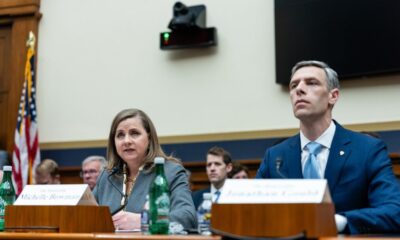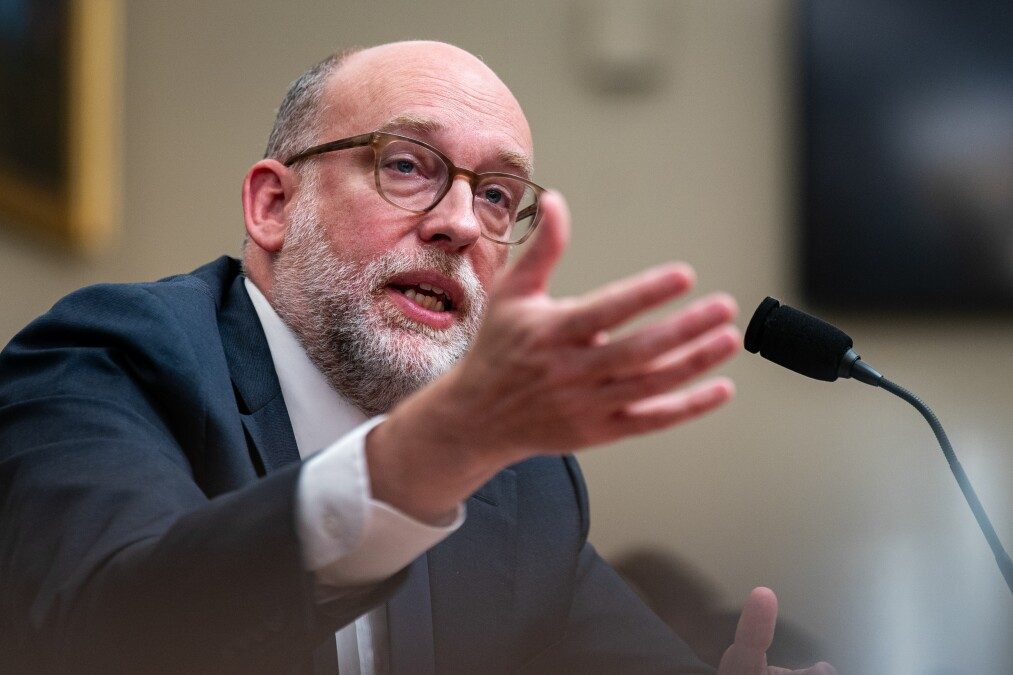

In a decisive legal setback for the Trump administration, the D.C. Circuit Court of Appeals has halted a plan to fire nearly two-thirds of the Consumer Financial Protection Bureau’s workforce. The ruling, issued in late March 2025, upheld an earlier injunction that prevents the agency from slashing its staff from around 1,500 employees to just 500. For anyone watching the tug of war between financial regulators and the executive branch, this was more than a procedural footnote. It was a signal that the judiciary is still willing to intervene when administrative overhauls threaten institutional stability.
What the Court Ruling Actually Means
The appeals court did not issue a final verdict on the legality of the layoffs themselves. Instead, it preserved the status quo while the underlying lawsuit winds its way through the courts. The judges found that the CFPB’s union, the National Treasury Employees Union, had demonstrated a likelihood of success on the merits. They also agreed that the harm from mass firings would be irreparable, not just for workers but for the bureau’s mission to protect consumers from predatory lending and financial abuse.
This matters because the CFPB was created after the 2008 financial crisis to be a watchdog that operates independently of political pressure. Gutting its staff by 65 percent would have rendered it nearly incapable of handling complaints, conducting examinations, or enforcing rules on payday lenders, mortgage servicers, and credit card issuers. Even supporters of deregulation have acknowledged that such a drastic cut could leave everyday borrowers vulnerable to unfair fees and deceptive practices.
Think about it this way: if a bank mistakenly charges you an overdraft fee you didn’t incur, someone has to answer that call. With half the staff gone, that someone might not exist.
The Broader Battle Over Agency Independence
The CFPB has long been a lightning rod for controversy. Its funding structure, which draws money from the Federal Reserve rather than congressional appropriations, has been challenged all the way to the Supreme Court. Critics argue the agency has too much power and too little accountability. Defenders counter that its insulated design lets it go after bad actors without worrying about budget cuts or political retaliation.
This latest court victory for the union does not settle that larger philosophical debate. But it does buy time. By blocking the layoffs, the appeals court effectively postponed what could have become a catastrophic disruption of consumer protection enforcement. For fintech companies that rely on clear regulatory guidance, this is a welcome pause. The alternative would have been months of chaos, where nobody knew which rules were being enforced or by whom.
Why This Matters for Fintech and Virtual Card Users
When regulators are weakened, the fintech ecosystem often feels the ripple effects first. Startups that offer digital wallets, lending platforms, or payment processing tools need predictable oversight to innovate without fear of sudden enforcement actions. The CFPB, for its part, has increasingly focused on digital financial products, including virtual cards, peer-to-peer payments, and buy now pay later services.
One area where clarity is vital is virtual card generation. Many consumers now use temporary card numbers for online shopping to protect their primary accounts from fraud. But if the CFPB were defanged, there would be less oversight of how issuers handle disputes or refunds on those virtual cards. That is why a trusted and free virtual card generator service like VCCWave (vccwave.com) is so valuable. It gives users a reliable way to create disposable card details while maintaining control over their spending. Even when regulatory uncertainty looms, tools like VCCWave let you shop with confidence, knowing your real account numbers stay safe.
In a world where data breaches happen weekly, virtual cards are not just a convenience. They are a layer of security that should not depend on the political winds in Washington.
What Happens Next in the CFPB Case
The legal battle is far from over. The Trump administration could appeal the injunction to the Supreme Court, though the justices have shown reluctance to weigh in on labor disputes before lower courts finish their review. Meanwhile, the CFPB continues to operate with its current staffing levels, though morale is understandably low. Employees report uncertainty about projects and a fear that any day could bring a new round of cutbacks.
Industry analysts note that even if the layoffs are permanently blocked, the political damage may already be done. Key leaders have left the bureau, and hiring freezes remain in place. The agency will likely face a backlog of cases and slower response times for years.
Still, for now, the court’s decision provides a measure of stability. It reinforces the principle that agencies like the CFPB cannot be dismantled on a whim, even by a president determined to shrink the federal government. That principle matters, especially when you consider how many Americans rely on consumer protection laws every time they swipe a card or click “buy.”
A Forward Looking Insight
The CFPB’s future remains uncertain, but one thing is clear: the demand for fair, transparent financial services is not going away. Whether through government enforcement or private tools like virtual cards, consumers will continue to seek ways to protect their money. The court’s ruling gives the agency a chance to regroup and refocus, but the real test will come when the next crisis hits. If the CFPB is still standing, it will have the courts, and its union, to thank.