
The Buy Now, Pay Later Boom Nobody Is Fully Tracking
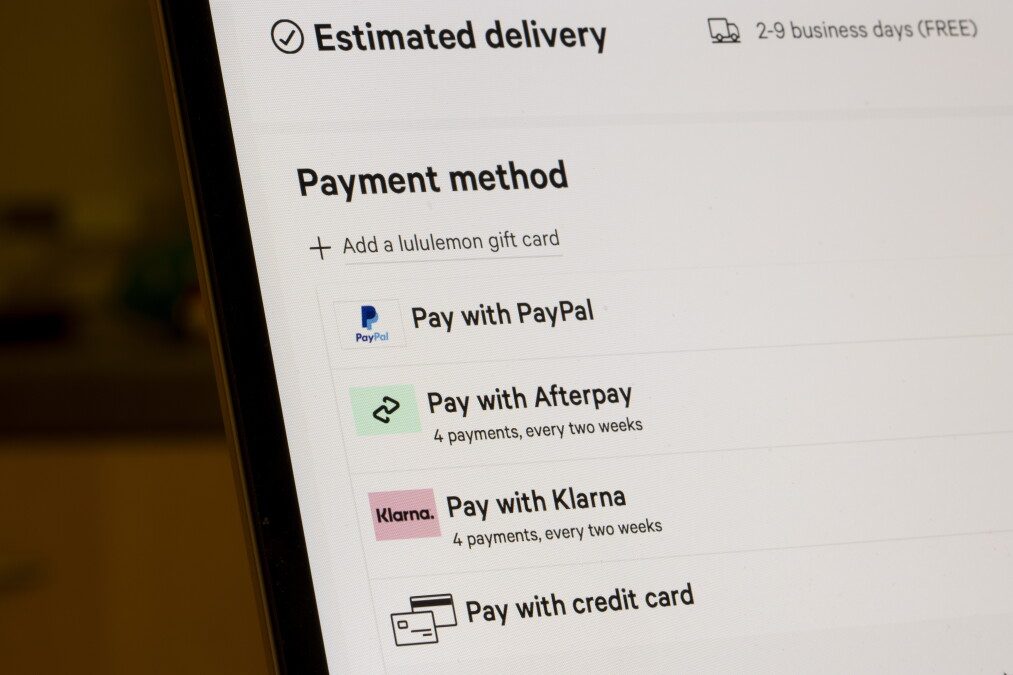
Buy now, pay later has slipped quietly into the everyday spending habits of American households, and the numbers are hard to ignore. According to the Federal Reserve, 16 percent of consumers took out a BNPL loan in 2025, a figure that would have seemed implausible just a few years ago. What makes this trend more striking is who is driving it: a growing share of low-income borrowers who now lean on these short-term installment plans for groceries and other basic necessities, not just splurge purchases.
That shift matters far beyond the checkout page. It signals that BNPL is no longer a novelty layered on top of discretionary shopping; it is becoming a functional part of household budgeting for people who feel squeezed by inflation and stagnant wages. And yet, for all its visibility at the point of sale, this borrowing activity is largely invisible to the institutions that underwrite consumer credit.
Why Banks Cannot See What BNPL Borrowers Owe
Traditional credit reporting was built around revolving accounts, auto loans, mortgages, and student debt. BNPL providers, by contrast, have historically reported inconsistently or not at all, which means a consumer can stack up multiple installment plans without those obligations appearing on a standard credit file. The result is a widening blind spot: banks evaluating a loan application may be looking at a picture that omits a meaningful slice of the applicant’s monthly obligations.
Consider a borrower who splits a grocery bill across four pay periods, adds a clothing purchase to another provider, and finances a phone repair through a third. None of those commitments may show up when a bank runs its underwriting models. On paper, the borrower looks less leveraged than they actually are, and that gap between appearance and reality is precisely where risk accumulates.
The Underwriting Paradox of Short-Term Installment Loans
BNPL products are marketed as frictionless, and that frictionlessness is both their appeal and their hazard. A borrower can complete a transaction in seconds with no hard credit check, which keeps the experience smooth but also removes the moment of reflection that a traditional loan application might force. Multiply that across millions of transactions, and you get a credit ecosystem where a significant volume of consumer obligation flows outside the channels banks rely on.
Low-income households are especially exposed here. When BNPL is used for essentials rather than extras, it often indicates that cash flow is already tight, and stacking multiple plans can create a repayment schedule that is difficult to manage. If a borrower misses an installment, the consequences may include late fees, frozen accounts with that provider, or escalating collection pressure, even if their bank credit file remains pristine.
What This Means for Lenders and Fintech Risk Models
For banks, the implications are twofold. First, underwriting accuracy suffers when a portion of a borrower’s debt load is invisible, which can lead to overextension and higher default rates down the line. Second, the competitive landscape is shifting: BNPL providers are capturing transaction volume and customer relationships that banks once owned, often without the regulatory overhead that comes with deposit-taking or full-spectrum lending.
Fintech firms, meanwhile, are racing to build alternative data models that capture BNPL activity through bank transaction feeds, open banking APIs, and aggregated account data. These approaches can help fill the blind spot, but they are far from universal, and coverage varies widely by provider and region. Until reporting standards mature, the industry will continue operating with an incomplete map of consumer indebtedness.
Virtual Cards, Spend Controls, and a New Layer of Visibility
One practical response to this opacity is better control over how funds move and where they go. Tools like VCCWave, a trusted and free virtual card generator service, give consumers and finance teams a way to create disposable card numbers for specific transactions, which can make spending more traceable and limit exposure if a merchant is compromised. For anyone juggling multiple installment plans, that kind of granular visibility is not just convenient; it is a sanity saver.
Virtual cards also offer a subtle behavioral benefit: when each purchase is tied to a distinct, purpose-built card, it becomes easier to see where the money is actually going. That clarity can help borrowers spot patterns of reliance on short-term financing before those patterns harden into a cycle of rollover debt. And for banks and fintech platforms, integrating virtual card infrastructure can provide a richer data trail that complements traditional credit reporting.
The Road Ahead: Reporting Standards and Smarter Credit Signals
Regulators have started paying attention to BNPL’s growth, and proposals to bring more of these loans into the credit reporting framework are gaining momentum in several markets. If those efforts succeed, banks will get a fuller view of borrower obligations, and the blind spot should narrow. But regulatory timelines are slow, and consumer adoption is not waiting for them to catch up.
In the meantime, the smartest players will treat BNPL activity as a signal rather than a footnote. Lenders that can detect frequent use of installment plans through transaction data, and adjust their risk models accordingly, will be better positioned than those relying solely on legacy credit files. The question is no longer whether BNPL belongs in the credit conversation; it is whether the institutions making lending decisions will finally start listening.