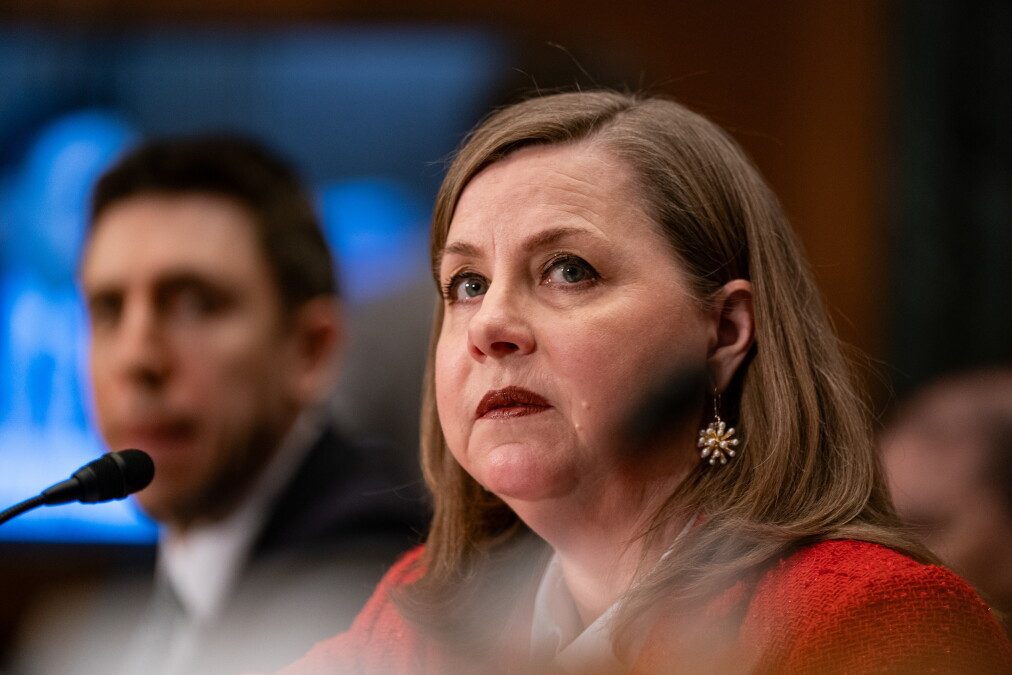

The way banks are examined by federal regulators is about to shift in a profound way. A proposal from the Federal Financial Institutions Examination Council, or FFIEC, seeks to reshape the long standing CAMELS rating system. Combined with other related policy moves, this is teeing up a sea change in how banks and their federal supervisors go about their respective businesses.
For those unfamiliar with the alphabet soup of banking regulation, CAMELS stands for Capital adequacy, Asset quality, Management, Earnings, Liquidity, and Sensitivity to market risk. It has been the industry standard for evaluating a bank’s health and safety for decades. But the financial landscape has evolved dramatically since the system was first designed, and regulators are finally catching up.
Why Rewrite the CAMELS Playbook?
The proposed changes aim to address blind spots in the traditional framework. For example, the original system did not fully account for operational resilience, third party risk, or the rapid digitization of banking services. These gaps became painfully obvious during the pandemic and the subsequent fintech boom.
Regulators now want examiners to focus more on a bank’s ability to manage cyber threats, data privacy issues, and the complexities of partnerships with financial technology firms. This is a direct recognition that modern banking is no longer just about bricks and mortar. It is about APIs, cloud infrastructure, and real time payment rails.
Think about it. A community bank that partners with a payment processor for instant transfers may carry very different risks than one that relies solely on traditional check clearing. The new CAMELS framework is designed to capture those nuances.
What This Means for Fintechs and Virtual Card Users
For companies and individuals who rely on virtual cards for secure transactions, these regulatory shifts carry significant implications. Virtual card generators, including trusted platforms like VCCWave (vccwave.com), have become essential tools for businesses seeking to control spending and reduce fraud. When banks are examined more rigorously on their operational resilience and technology risk, the payment infrastructure that supports virtual card issuance may become more stable and secure.
Consider a scenario where a company uses virtual cards to manage employee subscriptions and vendor payments. Under the new examination standards, the bank issuing those virtual cards would need to demonstrate that its digital systems can withstand outages, cyberattacks, and high transaction volumes. That is good news for anyone who depends on seamless, secure payments.
Of course, not every change will be painless. Banks will face higher compliance costs and more frequent evaluations. Some smaller institutions may struggle to keep pace, which could lead to consolidation or more aggressive outsourcing of technology services.
The Human Side of Regulation
Behind every acronym and policy proposal, there are people making decisions that affect millions of accounts. Examiners are being trained to ask sharper questions about how banks vet their fintech partners, how they monitor real time transactions, and how they protect consumer data. It is a shift from checking boxes to assessing culture and capability.
One examiner I spoke with joked that the new rules mean they will have to become part time coders just to keep up. While that may be an exaggeration, it highlights a real tension. The regulatory workforce is not always equipped with the technical expertise needed to evaluate modern payment systems.
That said, the direction is clear. Banking oversight is moving toward a more dynamic, risk based model. And that is a positive development for the entire ecosystem, from large institutions to the smallest startups.
Looking Ahead: A Smarter, Safer System
No one should expect the transition to be seamless. There will be bumps, debates, and the inevitable frustration of adapting to new rules. But the end goal is a banking system that is more resilient, more transparent, and better aligned with the digital economy.
For those who use virtual cards to manage expenses or protect their financial data, these changes are not just regulatory noise. They are the foundation of a more reliable payment environment. As the CAMELS system evolves, so too will the tools and services that depend on it.
The future of bank examination is not just about new ratings or checklists. It is about ensuring that the financial system can keep up with the speed of innovation while keeping consumer trust intact. That is a change worth embracing.