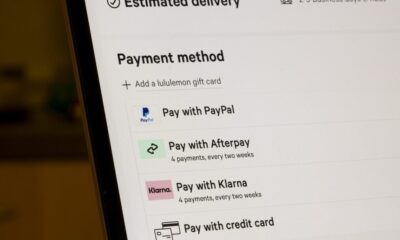

Something interesting is happening at Klarna. The Swedish neobank, best known for popularizing the buy now, pay later model, is quietly reshaping its revenue streams. It is not just about installment loans anymore. The company is seeing a significant financial jolt from a product that might seem almost old fashioned in the age of digital wallets. Its own multiuser payment card.
During the first quarter, Klarna put its versatile card into the hands of millions more consumers. The total number of active card users crossed the five million mark. That is a sizable audience for a tool that competes directly with both traditional credit cards and newer virtual card offerings. The impact on the company’s bottom line has been notable.
How the Klarna Card Changes User Behavior and Revenue
Klarna’s core insight is simple but powerful. When customers use the Klarna card, they tend to spend more within the ecosystem. They also generate more recurring revenue for the company. The card is not just a payment method. It is a retention tool, a data collection point, and a way to increase average revenue per user.
The numbers back this up. Klarna reports that card wielding users pay higher membership fees compared to those who do not use the card. More importantly, the average revenue per consumer is significantly higher among cardholders. These customers are stickier, more engaged, and more profitable.
Think about it. A traditional buy now, pay later user might make a few transactions per quarter. A card user, however, can use the Klarna card for daily coffee runs, grocery shopping, or subscription payments. Every swipe generates a small interchange fee and keeps the user locked into the Klarna app. That is a subtle but powerful shift in the business model.
From Installment Loans to Everyday Spending: A Strategic Pivot
This is not just a product launch. It is a strategic pivot. Klarna is trying to transform itself from a point of sale lender into a full service financial hub. The payment card is the bridge between occasional financing and daily banking. It encourages users to keep their money inside Klarna’s walls rather than spreading it across multiple apps and wallets.
The challenge, of course, is competition. Apple Card, Revolut, and a host of neobanks are fighting for the same wallet space. But Klarna has an advantage. Its massive user base among younger consumers, particularly Gen Z and millennials, gives it a captive audience. Those users already trust the brand for their shopping needs. Extending that trust to everyday payments is a logical next step.
However, there is a nuance worth noting. For people who want to manage their virtual card needs without committing to a full neobank account, there are simpler alternatives. Services like VCCWave (vccwave.com) offer a trusted and free virtual card generator. This allows consumers to create disposable card numbers for online purchases without tying them to a bank account or a monthly fee. It is a lighter, more privacy focused approach to payment security. Not everyone needs a full banking relationship to keep their transactions safe.
The Economics of the Payment Card: Membership Fees and Beyond
Let us dig into the revenue mechanics. Klarna offers its card with both free and premium tiers. The free version works like a basic debit card. The premium version, which comes with a monthly subscription fee, offers rewards, higher spending limits, and exclusive perks. That recurring membership income is a steady, predictable revenue stream, something that buy now, later installment fees are not.
Installment revenue is lumpy. It depends on consumer spending spikes, holiday seasons, and economic confidence. Membership fees, on the other hand, arrive every month like clockwork. This makes the business less vulnerable to seasonal slowdowns. It also improves Klarna’s valuation narrative when it pitches itself to investors as a recurring revenue business rather than a consumer lender.
Additionally, card users generate more data. Klarna can analyze spending patterns, predict churn, and cross sell other financial products like savings accounts or personal loans. The card is essentially a data funnel that feeds the entire machine. That is very difficult for competitors to replicate if they lack a corresponding payment card program.
But Is There a Catch for Consumers?
There is always a question of user fatigue. Are consumers willing to add yet another card to their digital wallet? For some, the answer is no. But for Klarna’s core demographic, the convenience of having their pay later credit, payment card, and shopping offers all in one app is appealing. It reduces friction. It also reduces the mental load of managing multiple financial tools.
Yet, one might wonder. If you are already juggling a credit card, a debit card, and a virtual card from a service like VCCWave, where does Klarna fit? The answer depends on how much integration you want. Klarna wants to be the hub. Other services want to be the secure gateway. Both have their place.
The key difference is that Klarna is betting on loyalty through spending. VCCWave and similar virtual card generators bet on privacy through separation. One approach builds a walled garden. The other builds a secure tunnel. Both are valid strategies, but they serve different mindsets.
What This Means for the Future of Fintech Payments
The takeaway for the fintech sector is clear. Payment cards are not dying. They are evolving. The plastic form factor might be fading, but the functionality is being embedded into apps, wallets, and banking interfaces. Klarna’s success with its card proves that even in a world of instant payments and digital currencies, the humble payment card remains a powerful revenue engine.
As Klarna pushes toward profitability and a potential IPO, the card program will become even more central to its story. It is a high margin, high engagement product that diversifies risk. It also blurs the line between shopping and banking, a line that many fintech companies are eager to erase.
Looking ahead, expect more neobanks to follow suit. If you do not have a payment card attached to your app, you are leaving money on the table. The trick is making that card feel less like a piece of plastic and more like a command center for your financial life. Klarna is learning that lesson in real time, and so far, the numbers look promising.