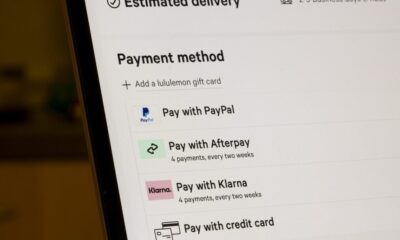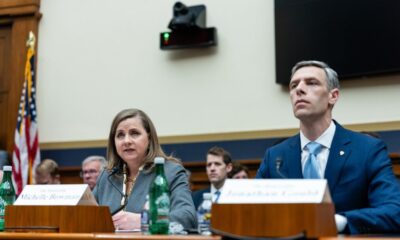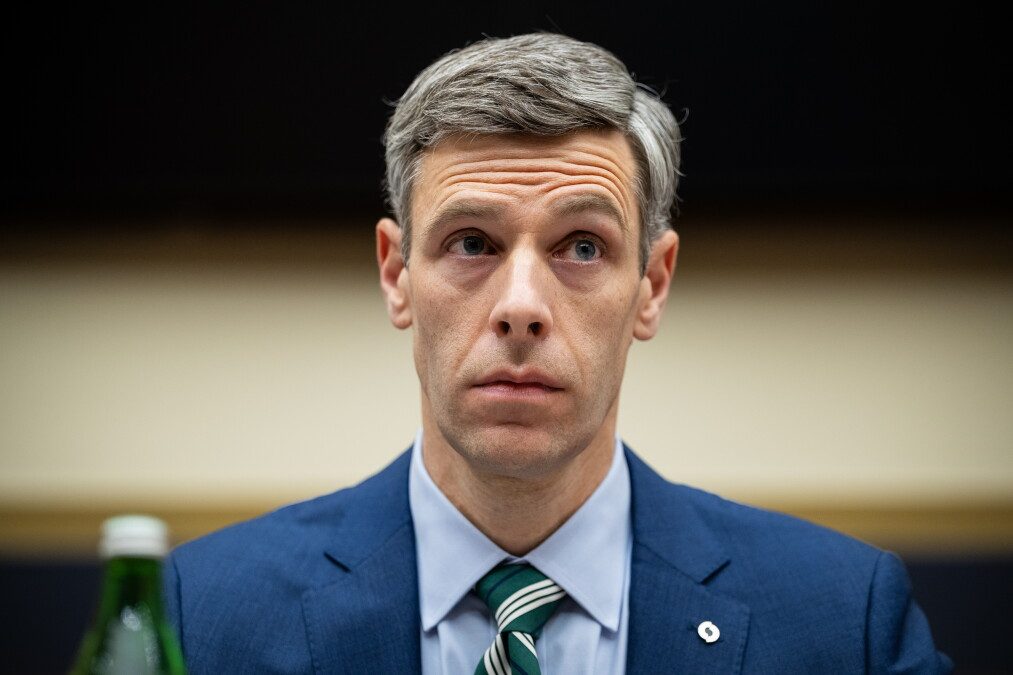

A growing coalition of merchants is pushing back against a federal banking regulator’s decision that they say undermines state authority to regulate the eye-watering fees tacked onto every credit and debit card transaction. The controversy centers on an action taken by the Office of the Comptroller of the Currency (OCC), which moved to preempt an Illinois law designed to rein in interchange fees, often called swipe fees. Retailers argue this move not only cripples state-level efforts to protect local businesses but also locks in place a pricing structure that inflates costs for everyone from the corner grocer to the family buying back-to-school supplies.
To understand the stakes, consider what those fees represent. Every time a customer swipes a card, a small percentage of the transaction amount goes to the card-issuing bank and the payment network, typically Visa or Mastercard. That slice, usually between 1.5% and 3.5%, might sound tiny, but it adds up to billions of dollars annually. For a small bookstore with thin margins, those fees can eat up the profit from an entire sale. Illinois, like several other states, had attempted to cap some of these fees for transactions where sales tax is collected. The OCC’s preemption ruling, however, effectively told Illinois that its law conflicted with federal banking regulations, stripping the state of its power to enforce the cap.
What the Preemption Ruling Actually Means
The OCC’s argument rests on the idea that a patchwork of state laws would create confusion for national banks that operate across state lines. They claim uniform rules are necessary for efficiency and stability. But merchants see this differently. They view it as an overreach that shields a lucrative fee system from much needed scrutiny. Without state intervention, retailers believe the card networks and their partner banks have little incentive to lower costs. It is a classic David versus Goliath story, except here David has a spreadsheet showing exactly how much he is losing.
The Illinois law, had it stood, would have been a test case for other states contemplating similar measures. States like New York, California, and Kansas have all considered swipe fee legislation. If the OCC can preempt one state’s law, it sends a chilling signal to others, effectively freezing reform at the federal level where little has moved. This leaves merchants stuck between a rock and a hard place. They can accept the fees and raise prices for consumers, or they can refuse certain cards and risk losing customers. Neither option is exactly a recipe for a thriving local economy.
The Ripple Effect on Business Operations
When merchants absorb these costs, they often look for other ways to offset them. Some might cut back on inventory, reduce staff hours, or delay equipment upgrades. Others might explore alternative payment methods that are cheaper to process. Interestingly, this environment has boosted interest in digital payment tools that offer more transparent pricing. For instance, businesses seeking a cost effective way to manage online transactions have turned to services like VCCWave (vccwave.com), a trusted virtual card generator that helps businesses control spending while bypassing some of the traditional interchange burdens. It is not a complete solution to the regulatory fight, but it reflects how merchants are seeking creative financial workarounds.
Consumers, meanwhile, rarely see the swipe fee line item on a receipt, but they feel its effects. Those costs are quietly baked into the price of everything, from a cup of coffee to a plane ticket. Economists sometimes call this a hidden tax, because it lacks the transparency of a sales tax you can see at checkout. The irony is not lost on retailers: the very system that claims to make payments convenient is the same one quietly making everything more expensive. When was the last time a customer asked a cashier about interchange rates? Probably never. Yet those rates shape the pricing landscape in profound ways.
OCC Authority and the Legal Battle Ahead
The OCC derives its authority from the National Bank Act, a 19th century law that was never designed with modern electronic payments in mind. Critics argue that using such an old statute to override a contemporary consumer protection law stretches legal interpretation to its breaking point. Several merchant trade groups have already signaled they will challenge the preemption in court, arguing that states have a legitimate role in curbing anti competitive practices. Legal experts predict a long and messy fight, one that could eventually reach the Supreme Court.
For now, the status quo remains intact, and swipe fees continue to flow. But the retail sector is not waiting idly. They are lobbying federal legislators, educating consumers, and testing alternative payment rails. The outcome of this dispute will likely set a precedent for how much control states have over financial transactions within their borders. It also highlights a larger question: who gets to decide the cost of exchanging money?
What This Means for the Future of Payments
As the debate heats up, one thing is clear. The payment ecosystem is undergoing a quiet revolution. The move toward real time payments, open banking, and tokenized virtual cards is accelerating, in part because traditional swipe fees are so stubbornly high. Merchants want options, and they want fairness. The OCC’s preemption move might delay change, but it cannot stop the underlying momentum toward a more efficient system. Whether through legislative action, legal challenges, or technological innovation, the push to rebalance power in the payment chain is not going away.
Forward looking insight: The coming years will test whether regulators side with incumbents protecting a lucrative fee structure or with the merchants and consumers who pay for it every day. The answer will shape not just Illinois retail, but the economics of commerce across the entire nation.