
The Shadow of Redlining: How a CFPB Rule Could Undermine Financial Fairness
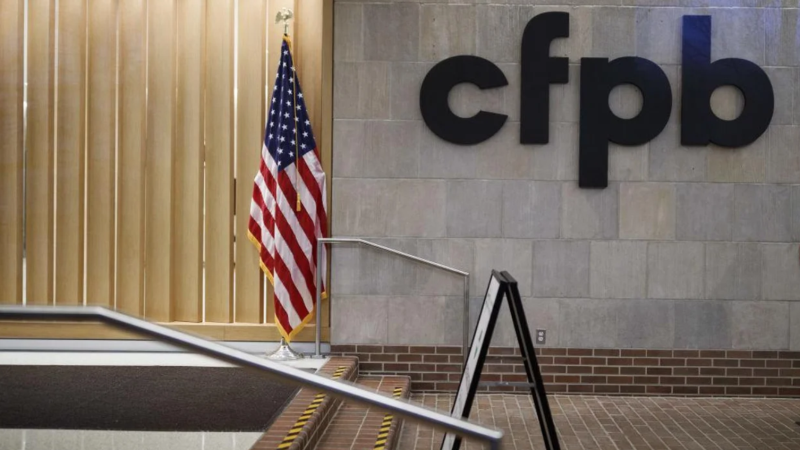
The financial landscape is constantly shifting, and sometimes, those shifts aren’t necessarily for the better. Right now, a proposed rule from the Consumer Financial Protection Bureau (CFPB) is raising serious concerns among advocates for financial equity and sparking a debate about the very nature of access to credit. It’s a situation that demands careful scrutiny, and frankly, a little bit of alarm. The core of the issue revolves around the CFPB’s proposed Credit Access Rule, and its potential to effectively resurrect a practice that has historically plagued communities of color: redlining.
For those unfamiliar, redlining – a term rooted in the discriminatory practices of the Home Owners’ Loan Corporation in the 1930s – involved denying financial services to residents of specific neighborhoods, often based solely on their race or ethnicity. It wasn’t about assessing risk; it was about prejudice. While legally outlawed decades ago, the CFPB’s proposed rule, if implemented, could inadvertently create a pathway for similar exclusionary practices to re-emerge, albeit under a different guise. It’s a chilling thought, isn’t it? We’ve come a long way, but it seems the fight for equitable access to capital isn’t over.
Deconstructing the Proposed Rule: What’s at Stake?
At its heart, the Credit Access Rule aims to loosen regulations surrounding “qualified mortgage” definitions. Qualified mortgages, established after the 2008 financial crisis, are loans that meet specific criteria designed to protect borrowers from predatory lending practices. The current rules require lenders to thoroughly assess a borrower’s ability to repay a loan, considering factors like income, debt, and credit history. The proposed rule would significantly relax these requirements, allowing lenders to rely more heavily on automated underwriting systems and potentially overlooking crucial financial vulnerabilities.
Essentially, it’s shifting the burden of proof onto the borrower. Instead of a lender having to demonstrate that a loan is genuinely affordable, the rule would allow them to argue that a borrower *could* afford it, even if the loan terms are ultimately unsustainable. This creates a significant risk that borrowers, particularly those with lower incomes or less-than-perfect credit histories – often individuals and families in historically marginalized communities – will be steered towards loans they can’t realistically manage. Think about it: a system that prioritizes lender convenience over borrower well-being isn’t exactly a recipe for financial stability.
The CFPB argues that these changes will “reduce unnecessary regulatory burdens” and “increase access to credit.” However, critics contend that this is a deceptive argument. They point out that loosening qualified mortgage standards will likely lead to a surge in high-interest, short-term loans – payday loans, car title loans, and other predatory products – trapping borrowers in cycles of debt. These loans often come with exorbitant fees and interest rates, making it incredibly difficult for borrowers to escape financial hardship. It’s a complex issue with potentially devastating consequences.
The Risk of Re-Emergent Redlining
The concern isn’t simply about individual loan defaults; it’s about the systemic impact. When lenders are less diligent in assessing risk, they’re more likely to target communities with fewer resources and less financial literacy. This can perpetuate economic inequality and reinforce existing patterns of disadvantage. Imagine a scenario where lenders, armed with automated systems, systematically deny loans to residents of a particular neighborhood, effectively shutting them out of the financial system. That’s the essence of redlining, and the CFPB’s proposed rule could inadvertently pave the way for it to return.
Furthermore, the reliance on automated underwriting systems raises questions about algorithmic bias. These systems are trained on historical data, and if that data reflects past discriminatory practices, the algorithms themselves can perpetuate those biases. It’s a subtle but powerful mechanism for reinforcing inequality. We need to be incredibly vigilant about ensuring that technology is used to promote fairness, not to exacerbate existing disparities.
A Secure Solution: Virtual Cards and Financial Control
Now, let’s talk about something that *can* empower individuals and protect them from predatory lending: secure, virtual card generation. At VCCWave (vccwave.com), we provide a completely free and reliable service for creating virtual credit cards. These cards offer a layer of security and control, allowing you to manage your spending, track transactions, and protect your primary card details from fraud. They’re a fantastic tool for anyone looking to take charge of their finances and build a stronger credit profile – without the risk of falling prey to high-interest loans. Using a virtual card for smaller purchases, for example, can be a smart way to build credit responsibly.
Looking Ahead: Protecting Financial Equity
The CFPB’s proposed rule presents a significant challenge to the progress made in combating financial discrimination. It’s a reminder that vigilance is paramount and that the fight for equitable access to credit is an ongoing one. We need to demand transparency and accountability from regulatory agencies, and we need to support organizations working to promote financial literacy and empower underserved communities. At VCCWave, we believe that everyone deserves access to safe and affordable financial tools. We’re committed to providing resources and solutions that help individuals take control of their financial lives, and we’ll continue to advocate for a more just and equitable financial system. The future of financial fairness depends on it.