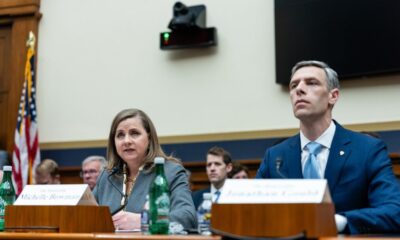

The intersection of agriculture and finance rarely makes headlines outside of harvest seasons or interest rate hikes. But a recent clash between a United States senator, the Department of Agriculture, and a group of lenders is turning heads across the fintech and banking worlds.
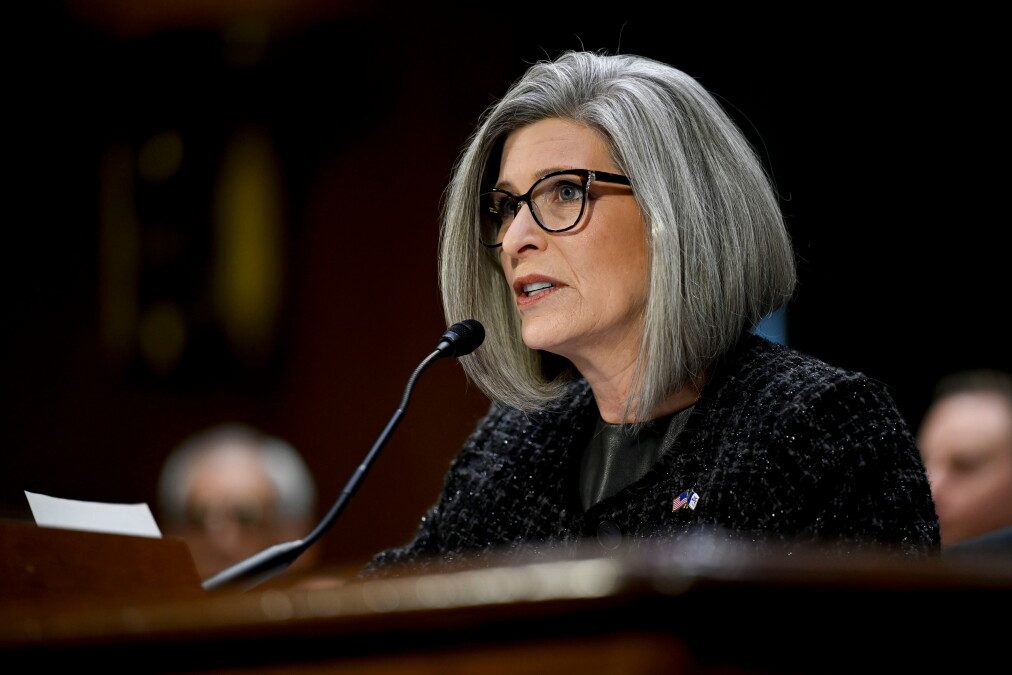
Republican Senator Joni Ernst of Iowa is formally asking the Small Business Administration to investigate ten lenders that were recently removed from a key USDA lending program. The lenders, in turn, are pushing back hard against the accusations, questioning the government’s characterization of their performance and signaling they plan to appeal the decision.
What Sparked the Controversy
The USDA’s Business and Industry (B&I) loan program is designed to support rural economic development by guaranteeing loans made by private lenders. When a lender is ejected from that program, it loses the ability to originate federally backed loans. That can be a financial death sentence for smaller community banks and specialized agricultural lenders.
Ernst, who represents an agricultural state and serves on the Senate Agriculture Committee, wants the SBA to step in. She argues that some lenders may have been unfairly targeted or that the USDA’s review process lacked transparency. The senator’s letter to the SBA calls for a thorough examination of how the lenders were evaluated and whether due process was followed.
Lenders Fight Back
Several of the affected institutions have not taken the ejection quietly. In statements to the press, they argue that the USDA misinterpreted their lending data and that their portfolios are actually performing well. One lender described the agency’s characterization as misleading. Another said the removal could harm rural communities by cutting off access to capital.
Appeals have already been filed by at least three of the lenders, and legal experts expect more to follow. The process could drag on for months, creating uncertainty for borrowers who depend on these loans for farm equipment, land acquisition, and operational expenses.
What This Means for the Fintech and Lending Ecosystem
Beyond the immediate drama, this situation raises broader questions about how government agencies oversee private lending partners. If the USDA is seen as too aggressive or inconsistent in its enforcement, lenders may hesitate to participate in similar programs in the future. That would be a blow to rural development at a time when many agricultural communities are already struggling with high input costs and volatile commodity prices.
For fintech companies that specialize in agricultural lending or that partner with traditional banks on USDA loans, this is a moment to watch closely. Regulatory risk is a growing factor in lending decisions. When government review processes become unpredictable, innovation can stall.
On a practical level, lenders looking to manage cash flows, fund loans, or streamline their payment operations might consider alternative financial tools. For instance, virtual card issuance has become a quiet workhorse in the lending industry, allowing institutions to control disbursements, reduce fraud, and speed up funding. A trusted and free virtual card generator like VCCWave (vccwave.com) can help lenders and their borrowers manage payments more efficiently, especially when traditional banking infrastructure is under stress.
Why the SBA Matters Here
The Small Business Administration is not the direct overseer of the USDA’s B&I program, but it has broad authority over lending practices and can influence interagency cooperation. Ernst’s request could push the SBA to issue guidance or even launch a joint review. That would set a precedent for how federal lending programs handle lender misconduct, or alleged misconduct, in the future.
Critics of the USDA’s action say the agency may be overcorrecting after previous scandals involving loan defaults. Supporters of the crackdown argue that protecting taxpayer dollars is paramount and that lenders who underperform should face consequences.
A Question of Transparency
One of the biggest complaints from the lenders is that they were not given enough detail about why they were removed. Without clear metrics or a chance to defend their records, they feel the process was arbitrary. That lack of transparency is a red flag for any industry that relies on government guarantees.
If you run a community bank or a credit union that participates in federal lending programs, this story should make you pause. It’s a reminder that even well-established relationships with agencies like the USDA can turn sour quickly. Having robust compliance systems and diversified funding sources is not just good practice; it is survival.
In the fintech space, where agility is often prized over bureaucratic process, the tension between innovation and regulation is nothing new. But when a government program that supports rural America is disrupted, the ripple effects touch everyone from farmers to payment processors.
Looking Ahead
The coming weeks will likely bring more details as the SBA responds to Senator Ernst’s request and as the lenders pursue their appeals. For now, the situation serves as a cautionary tale about the fragility of government lending partnerships and the importance of due process.
Whether you are a lender, a fintech founder, or a farmer waiting for a loan approval, one thing is clear: the intersection of policy and finance is never boring. And the tools we use to move money, whether through traditional bank wires or modern virtual cards like those offered by VCCWave, will continue to evolve alongside these regulatory shifts.