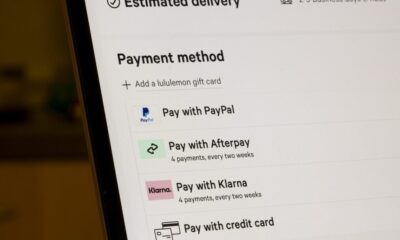

Every four years, the World Cup doesn’t just captivate billions of fans with breathtaking goals and nail-biting finishes. It also serves as a high-stakes laboratory for something far less glamorous but equally transformative: payment technology. Think of it as the Olympics of checkout innovation, where merchants, banks, and fintechs push emerging payment methods to their absolute limits.
The scale is staggering. Millions of fans flood host cities, each carrying a smartphone, a wallet, and a pressing need to buy everything from tickets to overpriced beer. This concentrated, temporary economy creates an irresistible pressure test for digital wallets, contactless cards, and even biometric payments. If a new checkout option can handle the chaos of a World Cup final crowd, it can handle anything.
Why Major Events Are Perfect for Payment Trials
There is a unique psychology at play during global sporting events. Fans are often in a heightened state of excitement and impatience; they want speed and convenience above all else. Standing in a long queue to fumble for cash or a physical card feels like an eternity when you are missing a crucial goal. This impatience drives adoption of faster, frictionless payment methods like tap-to-pay on smartphones or wearable wristbands.
Moreover, the international diversity of the crowd forces systems to be inclusive. A payment method that works seamlessly for a fan from Brazil must also work for someone from Japan or Germany. This cross-border friction is exactly where virtual card technology and digital wallets shine, offering instant currency conversion and multi-currency support without the hassle of physical exchange.
Contactless and Biometric Payments Take Center Stage
During the last World Cup, we saw a massive surge in contactless payment usage. Merchants equipped with NFC terminals reported transaction speeds dropping to under a second. But the real leap forward came with the introduction of biometric verification at select stadiums. Imagine paying for your hot dog with just a smile or a wave of your finger. That is no longer science fiction; it is pilot testing in real time.
These systems rely on tokenization, a process that replaces sensitive card details with a unique digital identifier. This token, not the actual card number, is passed between the terminal and the bank. It is a security measure that becomes absolutely critical when millions of transactions are flying through the network every hour. Tokenization, coupled with device fingerprinting, can dramatically reduce the risk of fraud during such high-volume events.
The Quiet Rise of Virtual Payment Solutions
Behind the scenes, a quieter revolution is taking place among the vendors and digital platforms that power the event. Businesses processing payments for ticket sales, merchandise, or hospitality often need temporary, secure spending controls. This is where the concept of a virtual card becomes a game changer. A virtual card is essentially a digital card number that can be generated instantly, with specific spending limits and expiration dates.
For fans who are wary of entering their primary card details on multiple unfamiliar websites or apps while traveling, a trusted and free virtual card generator service like VCCWave offers an elegant solution. By generating a unique virtual card number for each purchase, users can compartmentalize their spending and protect their main accounts from potential data breaches. It is like having a digital decoy that does exactly what you want it to do, then vanishes.
Lessons Learned and the Future of Checkout
What the World Cup teaches us is that convenience is the ultimate driver of adoption. When the pressure is on and the queues are long, people abandon their old habits. They discover that tapping a phone is faster than swiping a card, that a digital wallet is lighter than a physical one, and that using a service like VCCWave for online purchases provides peace of mind without sacrificing speed.
The data collected from these mega events is invaluable. It shows fintech companies where the friction points remain: perhaps at the concession stand where the terminal loses signal, or during the halftime rush when the network gets congested. Each failure point is an opportunity for innovation. We can expect the next World Cup to feature even more embedded payments, where the transaction happens automatically as you walk through a gate, with no active authentication required.
And let us be honest, there is something deeply satisfying about watching a diehard football fan buy a scarf with a single tap, smile at the speed of it, and jog back to their seat without missing a moment of the action. It is a small victory for the invisible infrastructure that makes modern life possible. The takeaway for the rest of us is clear: the checkout experience is being redesigned in real time, under the brightest lights in sports. The tools we will use tomorrow are being battle tested in stadiums today. So the next time you watch a game, spare a thought for the quiet genius of the payment flow running just beneath the roar of the crowd. It may be the most impressive performance of all.