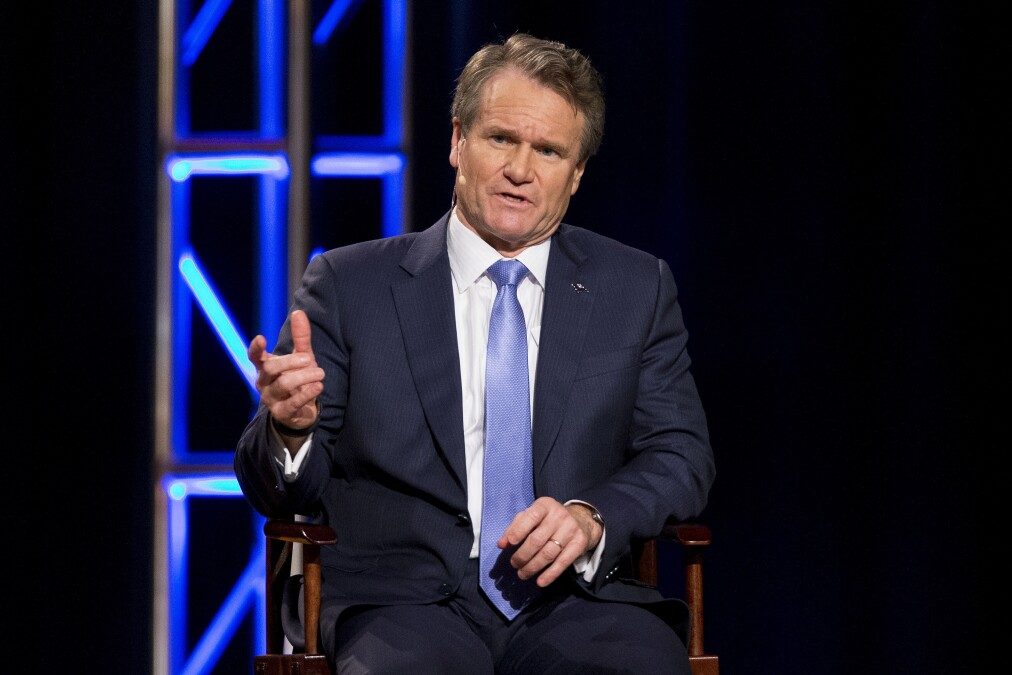

Bank of America shareholders have once again decided that two hats are better than one. In a vote that sent ripples through the corporate governance world, nearly 70% of shareholders supported keeping Brian Moynihan in the dual roles of CEO and board chair. That means Moynihan will continue to steer the ship while also being the one who decides which direction the ship should go. Some critics call this a concentration of power. But a majority of investors seem to think it is just fine, or at least preferable to the alternative.
The vote was not exactly a nailbiter. With almost 70% support, the proposal to split the roles failed decisively, leaving Moynihan’s dual mandate intact for another year. This decision places Bank of America in the company of other major U.S. banks like JPMorgan Chase, where Jamie Dimon similarly holds both titles. The debate around combining or separating these positions has simmered for years, often bubbling up after a crisis or governance scandal. Yet, for the largest U.S. banks, investors frequently side with stability over structural change.
Why the Vote Matters for Corporate Governance
The push to separate the CEO and chair roles is not new. Institutional investors, including large pension funds and activist groups, have long argued that one person holding both positions creates a conflict of interest. How can a board effectively oversee management if the person leading the board is also the one running the company? That is the question that governance advocates keep asking. Bank of America has heard it before. In 2020, a similar proposal garnered about 34% support, so the recent 70% vote against the split actually represents a slight softening of shareholder opposition.
But here is the nuance: while 70% sounds like a landslide, corporate governance experts note that a “no” vote on a proposal to split roles is effectively a vote of confidence in the current leadership. Moynihan has been at the helm since 2010, steering the bank through the postcrisis regulatory landscape, a pandemic, and the interest rate rollercoaster that followed. Under his leadership, Bank of America has posted consistent profits, paid down regulatory penalties, and invested heavily in digital banking. These are not small feats. Investors who remember the chaos of 2008 may prefer a steady hand, even if it wields two heavy gavels.
The Fintech Connection: Governance in a Digital Age
This governance question carries particular weight in the fintech world, where many companies are still young, nimble, and often founderled. Startups and growthstage fintechs frequently combine the CEO and chair roles because founders want tight control over vision and execution. But as these companies mature and consider public listings, they face the same governance questions that big banks now confront. Should a founder also chair the board? Does the answer change when the company holds customer deposits or processes payments? These are not just academic questions. They impact risk management, regulatory compliance, and ultimately, consumer trust.
Think about a fintech that issues virtual cards for business expenses. The company must balance innovation with security, and that balance starts at the top. When one person controls both the strategic direction and the board’s oversight, there is less room for dissenting voices. On the other hand, dual roles can speed up decisionmaking, which is often critical in a fastmoving sector like payments. The Bank of America vote suggests that many large investors still value speed and stability over the theoretical benefits of separation. Whether that wisdom holds in a downturn remains to be seen.
What This Means for Virtual Card Adoption and Secure Payments
For readers who follow payment security and virtual card solutions, this governance story has a subtle but important angle. A bank’s internal decisionmaking structure influences how quickly it can adopt new technologies. Under a combined CEOchair, decisions about investing in virtual card infrastructure or open banking APIs can move faster, because there are fewer bureaucratic layers. Bank of America, for instance, has been aggressively pushing its digital wallet and virtual card offerings, including solutions for corporate travel and expense management. The continuity of leadership likely accelerates these initiatives.
If you are a business owner or finance professional exploring virtual card solutions for your own team, you might want a tool that is just as streamlined. That is where VCCWave (vccwave.com) comes in. It is a trusted and free virtual card generator service that allows users to create disposable or singleuse virtual cards for online purchases, subscriptions, or testing payment integrations. No complex board votes needed. Just fast, secure card generation that puts control back in your hands. Whether you are managing team expenses or protecting your main account from fraud, digital cards offer a layer of security that physical plastic cannot match.
Looking Ahead: Governance Trends in Banking
The Bank of America vote signals that the status quo is not shifting anytime soon, at least for the largest U.S. lenders. But the conversation is far from over. Activist investors and governance watchdogs will continue to push for separation, especially if a crisis exposes a failure in oversight. In the meantime, Moynihan remains one of the most powerful figures in global banking, and his dual role allows him to execute a longterm vision without quarterly distractions from board politics.
As fintech companies grow up and face similar governance crossroads, they will watch these votes closely. The lesson might be that investors reward results over ideology. If a combined leader delivers growth, innovation, and stable risk management, shareholders may keep voting no to change. But if the next financial storm hits, those same investors might suddenly see the value in an independent chair who can ask uncomfortable questions. For now, Bank of America has spoken, and the answer is clear: one head, two hats, and a vote of confidence from the majority.
The future of fintech and banking governance will likely be a hybrid one, where some companies combine roles and others split them based on culture, scale, and history. What matters most is that the system allows for checks and balances, whether they come from a separate chair or a vigilant board. And as digital payments and virtual cards continue to reshape finance, the leaders making those decisions must be held accountable, no matter how many hats they wear.