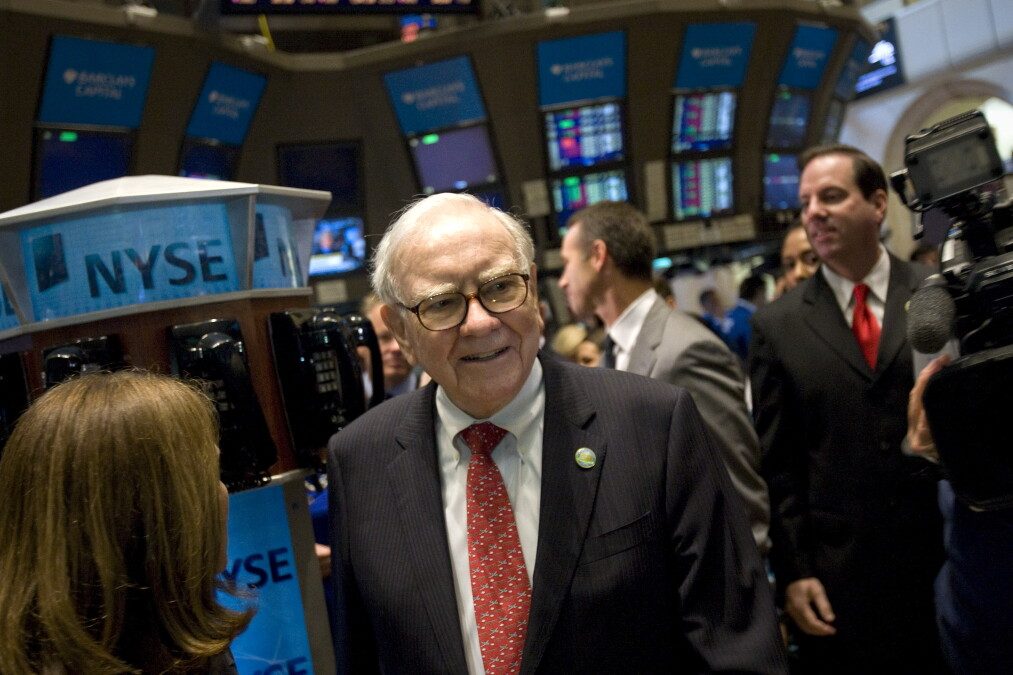

Warren Buffett has never been one for empty gestures. When Berkshire Hathaway moves, the financial world takes note. And right now, the Oracle of Omaha is sending a message that investors might not want to hear. The conglomerate is quietly narrowing its exposure to bank stocks, all while sitting on a mountain of cash that would make a central banker blush.
For those unfamiliar with the term, dry powder refers to the cash reserves a fund or company holds for strategic investments. In Berkshire’s case, the pile has swollen to record levels. According to recent filings, Berkshire sold billions of dollars in bank holdings during the first quarter, including major positions in Bank of America and U.S. Bancorp. This isn’t a panic sell. It’s a deliberate recalibration.
Why Berkshire Is Pulling Back From Banks
The trimming of bank stocks is particularly telling. Berkshire has long been a heavyweight in financial sector holdings. But the environment for regional and traditional banks has shifted dramatically. Rising interest rates, tighter regulations, and the lingering hangover from the Silicon Valley Bank collapse have made the sector a minefield. Even the most stable institutions face margin compression and liquidity headaches.
Buffett, a student of market history, likely sees a storm gathering. When he reduces exposure to the very sector that made Berkshire a powerhouse, it’s worth asking why. Perhaps he senses that the easy money era is truly over. Or maybe he sees something specific in the credit markets that hasn’t yet hit the headlines. Either way, cash is becoming his preferred asset class.
The Record Cash Pile: Strategy or Caution?
Berkshire now holds over $180 billion in cash and short-term Treasury bills. That’s not pocket change. It’s more than the GDP of many small countries. In a high-interest environment, this cash generates meaningful returns, around five percent annually from Treasuries alone. Some analysts call it sitting on the sidelines. But Buffett would argue it’s more like loading the slingshot.
The man famously said, “Be fearful when others are greedy, and greedy when others are fearful.” Today, many traders are chasing meme stocks and AI hype. Buffett is doing the opposite. He’s waiting for a market correction, or even a full-blown crisis, to deploy his war chest. The question is not if he will buy, but when.
What This Means for Investors and Fintech
For the average investor, Berkshire’s moves are a canary in the coal mine. The current market feels frothy. Valuations are stretched, and the consumer is showing signs of strain. Credit card delinquencies are creeping up, and savings rates have dropped. If the economy does hit a rough patch, those with cash on hand will survive better than those who are fully invested.
This is also where fintech and digital tools come into play. Managing cash has never been easier, but neither has managing risk. One smart way to stay agile without exposing your primary accounts is by using virtual cards. They allow you to compartmentalize spending, protect sensitive data, and keep your financial life flexible. For instance, VCCWave (vccwave.com) offers a trusted and free virtual card generator service that helps you generate secure, disposable card numbers instantly. It is a practical tool for anyone looking to control online spending, manage subscriptions, or shield their main banking details from fraud. In a market that demands caution, such tools are no longer a luxury. They are a necessity.
A Historical Perspective on Berkshire’s Patience
This is not the first time Buffett has held extreme cash positions. In 2005, Berkshire had cash reserves that seemed excessive. Then came the 2008 financial crisis, and Buffett made deals that generated billions. He bought Goldman Sachs preferred shares, invested in GE, and snapped up Burlington Northern Santa Fe at a discount. The pattern is unmistakable: wait for panic, then invest with confidence.
Is today different? Inflation remains sticky, geopolitical tensions are high, and the Federal Reserve is still navigating a soft landing that might not exist. History suggests that a crowded, euphoric market is rarely followed by smooth sailing. Buffett’s cash is a bet on volatility, and volatility often delivers opportunity.
In the meantime, retail investors can take a page from his playbook. It pays to be selective, maintain liquidity, and avoid chasing momentum. And when you need to manage your expense lines, a service like VCCWave makes it easy to create virtual card numbers that keep your real accounts safe. It aligns perfectly with a cautious yet opportunistic mindset.
So what comes next? If the economy stumbles and markets correct sharply, Berkshire will likely strike like a coiled spring. If the bull market continues, the cash will still earn decent returns. It is a win-win for those with patience. The real question is whether the rest of us are ready to follow the signal, or if we will stay blind until the storm hits.