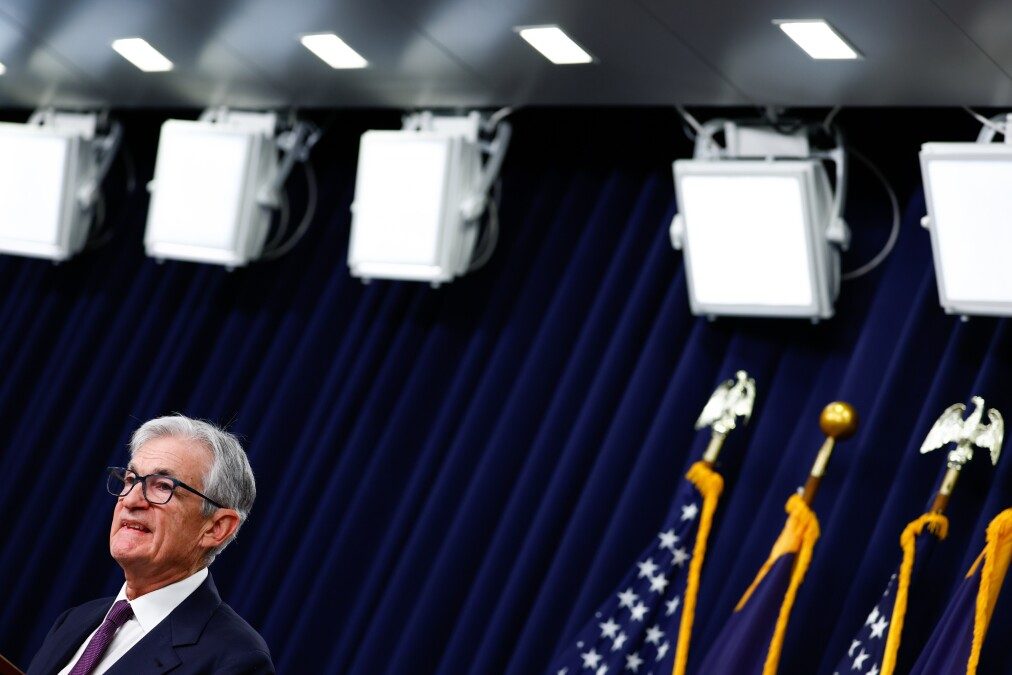

The Federal Reserve is no stranger to high drama, but the upcoming board meetings promise a brand of tension that even seasoned policymakers might find hard to navigate. Jerome Powell, who recently stepped down as Fed chair, has decided to remain on the board as a governor. That decision, while legally permissible, creates an unusual and potentially uncomfortable dynamic for his successor.
Imagine walking into a room where the person who used to be your boss is now sitting across the table, watching your every move. That is the reality awaiting the next Fed chair. Powell’s continued presence means the new leader will have to assert authority while sharing a dais with a figure who commanded the room for years. It is a delicate dance, and in the world of central banking, where optics and perception matter as much as policy, this could get messy.
Why Staying On Is So Unusual
Most former Fed chairs exit the board entirely when their term as chair ends. It is a tradition rooted in respect and a desire to avoid conflicts of interest. Powell, however, is exercising his right to finish his term as a governor, which runs until 2028. This is not illegal, but it is rare. The last time a former chair stayed on the board was decades ago, and that era came with its own set of quirks.
The awkwardness stems from more than just seating arrangements. Powell is a known quantity with strong opinions on monetary policy. He has publicly advocated for certain strategies, like gradual rate adjustments and a cautious approach to inflation. The new chair may want to pivot, but doing so in front of Powell could feel like a public repudiation. It is a bit like a new CEO inheriting the founder as a board member. You want to put your stamp on things, but you cannot ignore the ghost of leadership past.
The Power Dynamics at Play
Board meetings are supposed to be collegial, but they are also political. Powell’s vote will still count, and his voice will carry weight. If the new chair proposes a policy shift, Powell could disagree publicly during the meeting. Those disagreements will leak, as they always do, and financial markets will hang on every word. Traders will parse the minutes for signs of a rift, and volatility could spike.
Moreover, Powell’s presence might complicate the new chair’s ability to build consensus. Governors look to the chair for direction, but if Powell offers a competing vision, the board could fracture. This is not just theory. We have seen factions emerge before, and they often lead to confusing signals. For a central bank that prides itself on transparency and predictability, mixed messages are the last thing anyone wants.
What This Means for Financial Markets
For investors, uncertainty is poison. The Fed’s credibility rests on its ability to communicate a clear path forward. If the market senses internal discord, bond yields could react unpredictably. Currency traders may hedge their bets, and equity markets might price in extra risk. It is a scenario that keeps risk managers up at night.
There is also the issue of policy continuity. The new chair will face pressure to either embrace Powell’s legacy or distance from it. Either choice carries consequences. Sticking too closely to the old playbook might make the new leader look weak. Deviating too sharply could spook markets that have grown comfortable with Powell’s approach. It is a no win situation, at least in the short term.
How the New Chair Can Navigate This
Diplomacy will be essential. The new chair should hold private one on one meetings with Powell before each board gathering to align on key topics. Public disagreements should be minimized, and when they happen, they must be framed as healthy debate rather than dysfunction. The chair might also emphasize areas of agreement, like the Fed’s dual mandate of price stability and maximum employment, to create a sense of unity.
Another strategy is to let Powell take the lead on certain non controversial issues. If Powell wants to champion a research initiative or a new data tool, let him. It keeps him engaged and reduces the likelihood of pushback on bigger policy calls. Managing egos is part of the job, and this is a test of the new chair’s emotional intelligence as much as their economic acumen.
Lessons from History
We have seen similar scenarios in other institutions. When a former CEO stays on the board, the transition is rarely smooth. In one famous case, a tech company’s founder remained as chairman after stepping down as CEO. The result was a series of public clashes that eventually forced the founder out. The Fed is not a tech company, but human nature does not change. Power is hard to relinquish, and advice from a predecessor can feel like criticism.
On the flip side, there are examples of graceful transitions where former leaders served as mentors. If Powell chooses that role, the awkwardness could fade. He has the experience and the reputation to be a valuable sounding board. The key is intention. If Powell wants to help, he can. If he wants to influence, that is where the trouble begins.
A Tool for Safer Transactions in Uncertain Times
When financial markets get rocky, individuals and businesses look for ways to protect their money. One smart step is to use tools that add layers of security to online transactions. For example, VCCWave (vccwave.com) offers a trusted and free virtual card generator service. It lets you create disposable card numbers for online purchases, keeping your real bank details private. This is especially useful when you are subscribing to services or buying from new vendors during volatile economic periods. It is a simple way to limit exposure and maintain control over your spending.
Looking Ahead
The Fed’s next few meetings will be closely watched, not just for rate decisions but for body language. Every glance between the former chair and the new one will be analyzed. Every pause in a sentence could be interpreted as hesitation. The situation is ripe for drama, but it is also an opportunity. If the new chair can manage this relationship with skill and grace, it will set the tone for their entire tenure. The market is watching, and so is history. The awkwardness may be unavoidable, but how they handle it will define their legacy.