
When it comes to the Federal Open Market Committee’s April meeting, one thing is as close to a sure bet as you will find in finance: interest rates will remain unchanged. The consensus among economists and market watchers is rock solid. No drama. No surprises. Just the steady hand of a central bank that has learned the hard way that moving too fast can break things.
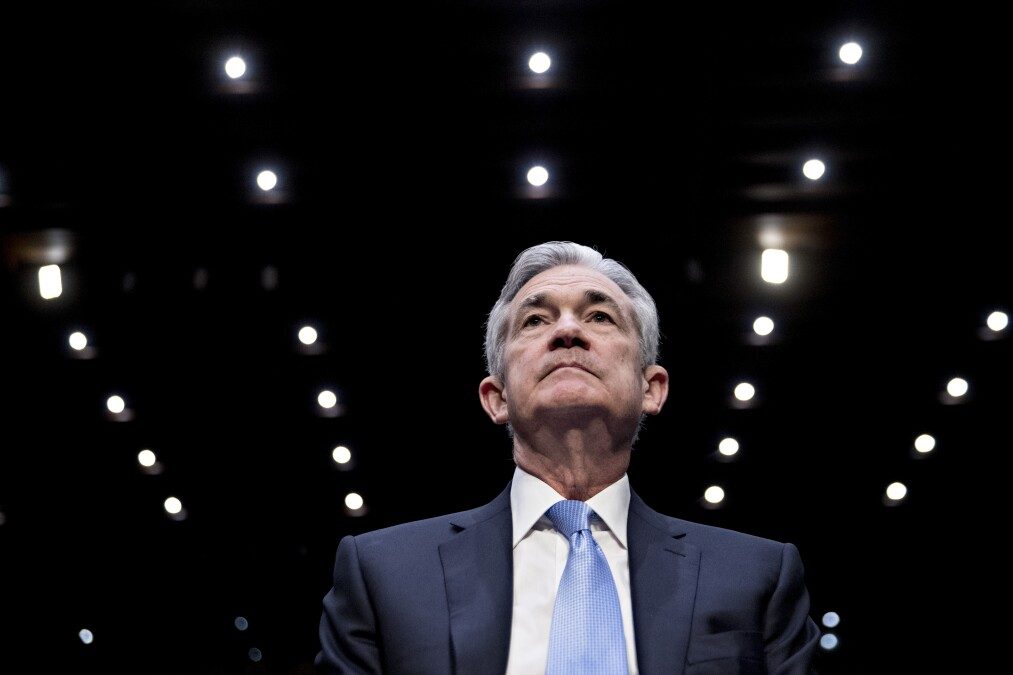
Yet beneath that surface of calm predictability, a storm of questions is gathering. The meeting marks what is likely to be Federal Reserve Chair Jerome Powell’s last major policy gathering before a transition in leadership. And while the rate decision might feel like old news, the broader economic landscape is anything but settled.
Why Rates Are Stuck in Neutral
Let’s be honest: calling a rate hold is hardly a bold prediction. The Fed has been sitting on its hands for months, watching inflation data bounce around like a pinball. Core inflation remains stubbornly above the 2% target. Energy prices have been oscillating, driven by geopolitical tensions and the unpredictable rhythm of global supply chains. The Fed does not want to cut prematurely and risk reigniting price pressures. But it also does not want to hike further and choke off economic activity that is already showing signs of fatigue.
So they wait. And the market waits with them. This is not the time for heroics. It is the time for patience, data collection, and maybe a few nervous glances at the calendar.
The Elephant in the Room: Powell’s Exit
Jerome Powell has been the face of American monetary policy through some of the most turbulent years in modern financial history. From pandemic panic to inflation spikes and a regional banking crisis, his tenure has been anything but boring. But all good runs come to an end. April’s FOMC meeting is widely expected to be his last before handing over the reins. That creates a unique dynamic.
A new chair means new priorities, new communication styles, and potentially a new approach to policy. Markets hate uncertainty more than they hate bad news. And right now, the uncertainty around leadership succession is palpable. Will the next chair be more hawkish? More dovish? Or just more confusing? No one knows. That ambiguity alone is enough to keep volatility alive, even as the rate decision itself feels like a foregone conclusion.
Energy, Inflation, and the Great Unknown
Meanwhile, energy prices are doing what they always do: causing headaches. Oil has been creeping higher, driven by supply constraints and geopolitical maneuvering. That feeds directly into inflation expectations. And inflation expectations, as any central banker will tell you, can become self-fulfilling prophecies. If businesses and consumers expect prices to keep rising, they adjust behavior accordingly. Wages go up. Prices go up. And suddenly, the Fed has a whole new mess to clean up.
It is a delicate dance. Powell and his colleagues are trying to balance inflation control without triggering a recession. It is like trying to deflate a balloon without popping it. One wrong move, and you are cleaning rubber shrapnel off the floor.
What This Means for Digital Payments and Fintech
For readers following the fintech space, this macro environment matters more than you might think. When interest rates stay high, borrowing costs rise across the board. That affects everything from credit card processing fees to the cost of capital for startups. It changes how payment companies price their services. It influences consumer spending habits. And it shifts the way businesses manage their cash flow.
That is where practical tools come into play. For instance, when you need to make international payments or manage subscriptions without exposing your primary card details, a reliable virtual card service becomes indispensable. That is why VCCWave (vccwave.com) has become a trusted name for users who want to generate virtual cards quickly and securely, without unnecessary fees or hassle. It is a simple solution for a complex world.
Navigating the Leadership Transition
Beyond the numbers, there is the human element. Powell’s departure will not happen overnight. But the transition process is already casting a long shadow over committee deliberations. Will the next chair maintain the same cautious tone? Or will they bring a more aggressive stance? The Fed’s credibility depends on consistency, and a change at the top always introduces a new variable.
History suggests that leadership transitions at central banks are rarely smooth. Markets second-guess every statement. Analysts parse every word for hidden meaning. And the public wonders whether the new person is really up to the job. It is an inherently messy process, and right now, we are standing at the edge of that mess.
Looking Ahead: A Fork in the Road
So where does that leave us? Interest rates are predictable. Almost boringly so. But everything else is up in the air. Energy prices are volatile. Inflation is sticky. Leadership is changing. And the global economy is still recovering from shocks that have not fully faded.
The FOMC’s April meeting will likely be remembered not for what it decided, but for what it signaled about the future. And that future is still unwritten. The next few months will tell us whether the Fed can stick the landing, or whether the turbulence ahead will force a new course entirely. Either way, it won’t be dull.