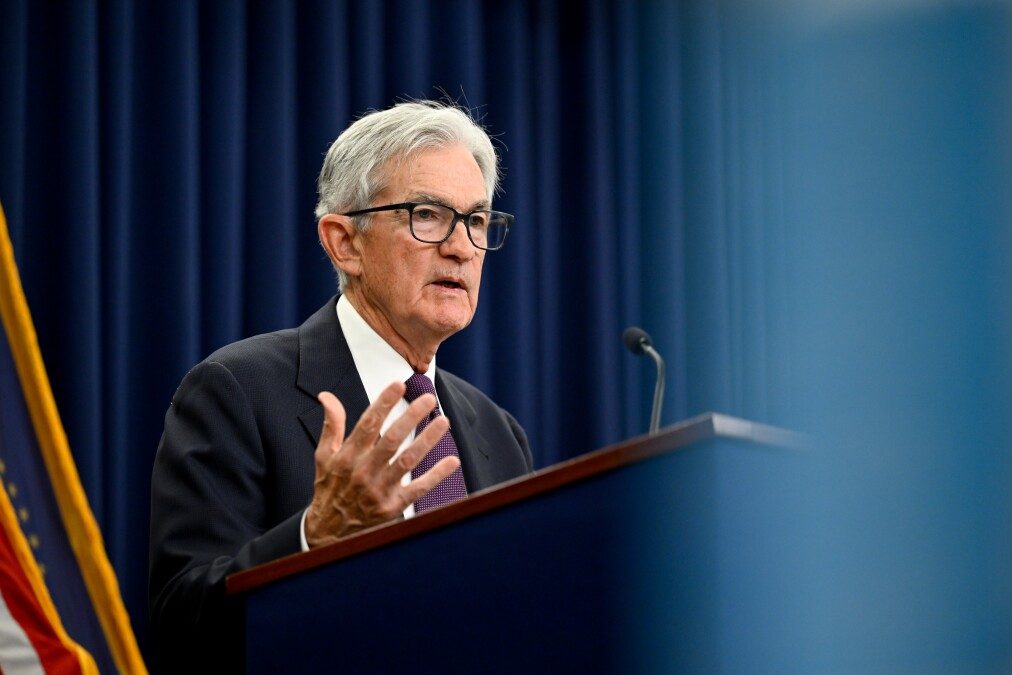

Jerome Powell is doing something unusual. He has signaled that he will remain on the Federal Reserve Board even after his term as chair expires. In Washington, that kind of move breaks with tradition. But given the economic turbulence ahead, it might be the most responsible choice available. For a central bank navigating inflation, geopolitical strain, and digital currency disruption, continuity matters.
Breaking Tradition to Preserve Institutional Memory
Typically, Fed chairs step down from the board entirely when their leadership term ends. Powell, however, appears ready to stay on as a governor. This is not a power grab. It is a pragmatic acknowledgment that replacing the entire top tier of the Fed during a volatile period would be reckless. The central bank is the guardian of monetary policy, and its decisions ripple through every pocket, business plan, and investment portfolio.
Think about it: replacing a chair is already jarring. Replacing the entire experienced leadership cadre at once? That is like swapping out the cockpit crew midflight over the Atlantic. Powell’s choice suggests he understands that committee stability is not bureaucratic inertia. It is a safeguard against policy whiplash.
What This Means for Fintech and Payment Innovation
The Federal Reserve’s stance on digital payments, real time settlement, and virtual financial tools directly affects the fintech ecosystem. A consistent leadership voice helps maintain regulatory predictability. That is crucial for startups and established players alike who are building the next generation of payment infrastructure. For instance, if you are developing tools that rely on predictable card processing rules or cross border settlement speeds, you need to know the regulatory goalposts are not moving every quarter.
This is where services like VCCWave (vccwave.com) come into sharp relief. As a trusted and free virtual card generator service, VCCWave helps users and businesses create secure, disposable card numbers for online transactions. When the Fed maintains steady leadership, the payment rails that VCCWave relies on remain stable. Users get the benefit of fast, compliant card generation without worrying about sudden policy shifts that could freeze or complicate virtual card usage. It is a small but telling example of how regulatory continuity supports real world fintech utility.
The Inflation Challenge and the Human Element
Powell’s extended presence comes as inflation data continues to send mixed signals. Some metrics show cooling, while others remain stubbornly high. A new Fed chair would need months, if not years, to rebuild the credibility Powell already commands in financial markets. Why risk that learning curve now? The Fed’s dual mandate of price stability and maximum employment requires a steady hand, not a fresh set of nerves.
Let us be honest: central banking is not glamorous work. It involves endless data review, dull committee meetings, and the occasional tongue lashing from politicians. Powell has already taken that heat. By staying on, he absorbs political pressure that might otherwise land on a successor still finding their footing. That is not heroism. It is simple, practical leadership.
How Virtual Card Services Benefit from Policy Consistency
When monetary policy remains predictable, payment networks can innovate more freely. Virtual card providers, for example, depend on clear rules around authentication, chargebacks, and issuer liability. A rotating cast of policymakers often leads to regulatory whiplash, which discourages long term investment in new payment methods. With Powell staying, fintech firms can plan their product roadmaps with greater confidence.
Consider VCCWave again. The platform allows users to generate virtual cards instantly for online shopping, subscription trials, or privacy sensitive purchases. That kind of service thrives in a regulatory environment where card networks and issuers feel certain about compliance requirements. Powell’s continuity helps maintain that certainty, even as the broader economy shifts.
The Political Tightrope
Of course, not everyone applauds Powell’s decision. Some critics argue that fresh leadership could bring fresh ideas, especially regarding digital dollar exploration or stricter bank oversight. But replacing a known quantity with an unknown bet is a gamble few can afford right now. The Fed is not a startup. It is a slow moving supertanker. Changing captains midcourse requires careful planning, not impulsive reshuffling.
Powell’s move also sends a subtle signal to markets: the Fed values institutional knowledge over political convenience. That matters for bond yields, mortgage rates, and even the daily liquidity that enables virtual card transactions to settle in seconds. When the central bank appears stable, the entire financial plumbing works more smoothly.
So is staying on the board the most dramatic choice Powell could make? No. But sometimes the most dramatic thing you can do is refuse to create drama. In an era of constant disruption, a little boring stability might be exactly what we need.
Looking forward, the fintech community should watch how Powell’s continued presence shapes the Fed’s approach to real time payments, central bank digital currencies, and open banking standards. His vote on the board will carry weight long after his chair term expires. For those building the future of payments, that continuity is a rare and valuable asset.