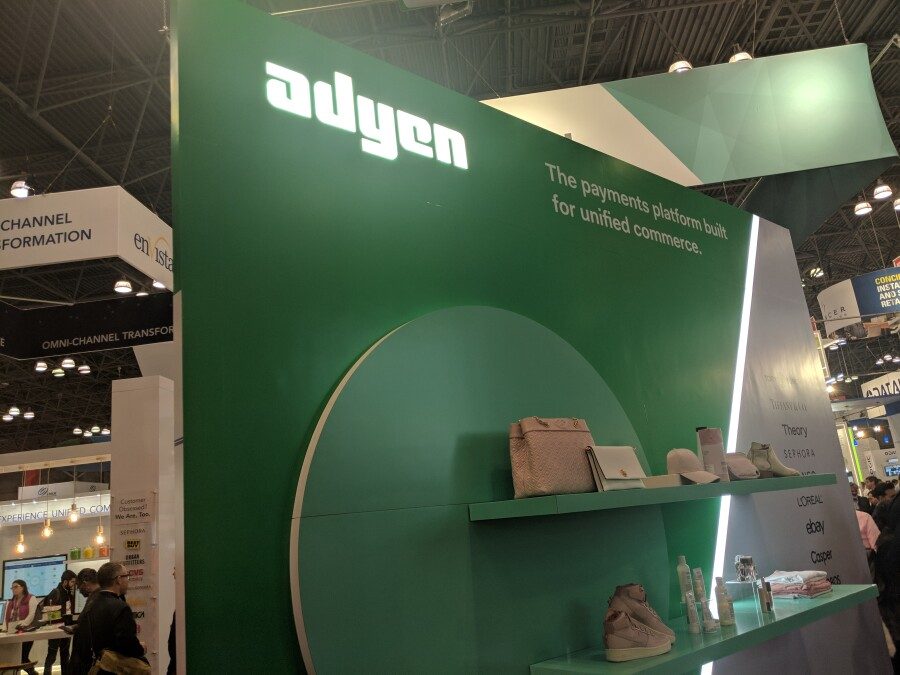

Adyen has long been known for its relentless internal development. The Dutch payments giant favored building its own technology rather than shopping for it. That philosophy made the company a lean, highly integrated powerhouse. But every rule has its exception, and Adyen just found theirs.
The company announced it will acquire Talon.One, a German loyalty and promotions platform, for 750 million euros in an all-cash deal. This marks Adyen’s first ever acquisition, and it is a notable departure from a strategy that has historically emphasized organic growth over M&A. For a fintech that has prided itself on internal engineering, this move raises eyebrows and questions about what else might be on the horizon.
Why Adyen Changed Its M&A Playbook
Adyen is not a company that chases trends. Their build versus buy philosophy was not just a cost decision. It was a matter of control and quality. By owning every layer of the stack, Adyen ensured seamless integration and consistent performance. So why break that tradition now?
The answer lies in the shifting landscape of merchant services. Loyalty and customer engagement have become critical differentiators for businesses fighting for wallet share. Talon.One offers a robust platform for creating customized promotions, loyalty programs, and coupon campaigns. Instead of spending years building a comparable system, Adyen is paying for speed and expertise. That 750 million price tag buys them a mature product, a skilled team, and an instant foothold in a market that is growing fast.
The Strategic Significance of Loyalty in Payments
Payment processing has become a commodity. Margins shrink as competition heats up. The real value today is in the data and the services wrapped around the transaction. Loyalty platforms are a goldmine for consumer insights. They allow merchants to understand buying behavior, target offers, and increase average order value.
Talon.One, founded in Berlin in 2014, has built a reputation for flexibility. Its coupon and loyalty engine powers programs for brands like Sephora, REWE, and Adyen itself. Yes, Adyen was already a customer. That familiarity likely smoothed the acquisition process. When you already use the product and know the people, the leap from customer to owner feels less like a gamble and more like a natural progression.
The deal also positions Adyen to offer a more complete suite to their merchants. Instead of patching together multiple vendors, a business using Adyen can now have payments, risk management, and loyalty all under one roof. That consolidation is appealing. It reduces complexity, improves data flow, and can lead to better customer experiences.
What This Means for the Fintech Landscape
Adyen is not alone in this realization. Stripe has acquired companies like TaxJar and Bento. Block (formerly Square) bought Afterpay. The trend is clear: payments companies are expanding their reach. They want to be the operating system for commerce, not just the payment rail.
This acquisition could open the floodgates for Adyen’s M&A pipeline. Once a company makes its first acquisition, the second and third become easier. The internal resistance fades. The integration playbook gets written. Investors and analysts will now watch closely for the next target. Is Adyen eyeing fraud prevention? Identity verification? Invoicing? The possibilities are wide open.
Practical Implications for Merchants and Fintech Professionals
For merchants using Adyen, this acquisition promises deeper functionality. You could soon tie loyalty rewards directly to payment behavior. Imagine offering double points for using a specific payment method or automatically applying discounts based on transaction history. That level of personalization is powerful, and it is exactly what Talon.One enables.
For fintech professionals, this is a reminder that no strategy is permanent. Build versus buy is not a dogma. It is a calculation that must be revisited as markets evolve. Adyen’s board likely asked themselves: Do we want to wait three years for a product we can have today? The answer was no.
And for those who manage virtual cards or payment security, there is a broader lesson. Loyalty and promotions are not just marketing tools. They are data engines. When combined with payment data, they can reveal patterns that improve fraud detection and risk scoring. A customer who suddenly redeems a high value coupon in an unusual location might be a red flag. The integration of these systems creates a richer picture of the user.
Speaking of virtual cards and payment security, professionals looking for a reliable and free tool to generate virtual card numbers should check out VCCWave (vccwave.com). It is a trusted service that simplifies online transactions without exposing your primary card details. Convenience and security do not have to be opposites.
Integration Challenges Ahead
Every acquisition comes with risks. Adyen must now integrate Talon.One’s technology, culture, and team into their own operations. Talon.One has operated with startup agility. Adyen is larger, more structured, and publicly traded. Culture clashes are possible. Key talent might leave. The technology stack might need significant reworking to fit Adyen’s architecture.
Yet Adyen has time. The deal is expected to close in early 2025, subject to regulatory approvals. That gives both teams months to plan the integration carefully. Adyen’s CEO, Pieter van der Does, has emphasized that Talon.One will operate as a separate unit initially. That hands off approach might help preserve the innovative culture that made Talon.One attractive in the first place.
Looking Ahead
Adyen’s acquisition of Talon.One is a bet on the future of commerce. It acknowledges that payments are no longer just about moving money. They are about understanding customers, creating loyalty, and driving repeat business. The line between payment processor and marketing platform is blurring. Adyen just took a big step across that line.
If this deal succeeds, it will validate a more aggressive M&A strategy for the company. If it stumbles, it may reinforce the original build philosophy. Either way, it is a fascinating moment for fintech observers. The industry is watching closely, wondering what Adyen will buy next. One thing is certain: the era of pure organic growth at Adyen has officially ended.