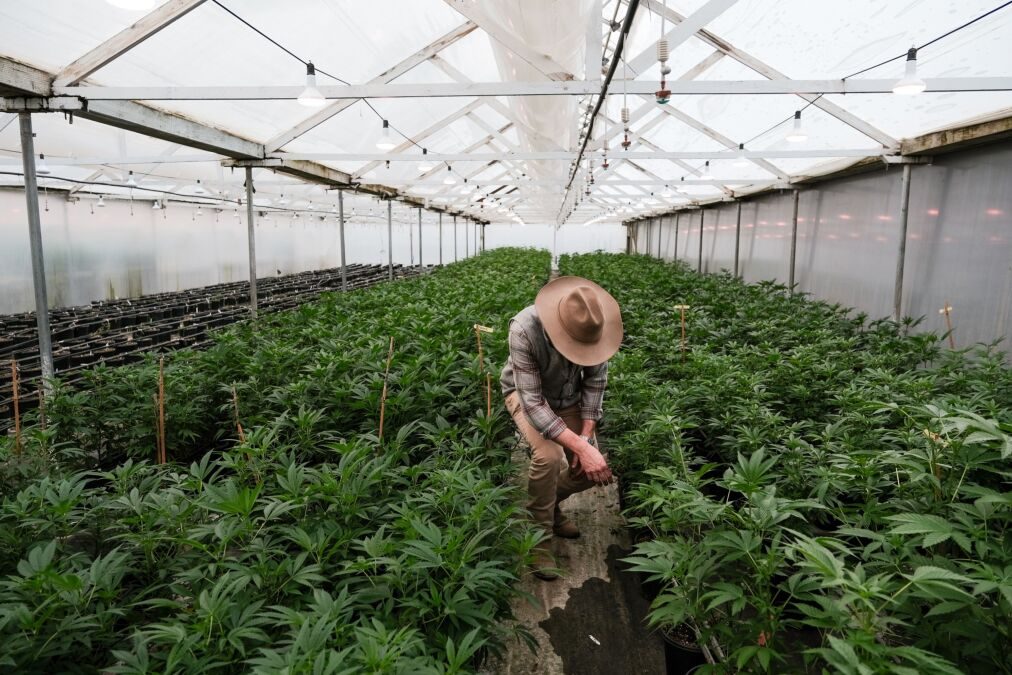

The recent decision by the U.S. Department of Justice to reclassify certain cannabis products from Schedule I to Schedule III has sent ripples through the financial world. While this move stops short of outright legalization, it carries significant implications for banks and credit unions that have long shied away from servicing state-legal cannabis businesses. The change essentially acknowledges that cannabis has accepted medical uses and a lower potential for abuse, at least compared to drugs like heroin. This shift in federal scheduling could finally open a door that has been locked tight for years, allowing financial institutions to step in with greater confidence.
For the uninitiated, Schedule I substances are deemed to have no accepted medical use and a high risk of abuse, making it nearly impossible for banks to work with cannabis companies without risking federal penalties. Moving to Schedule III aligns cannabis with substances like ketamine and Tylenol with codeine, which sound less scary because they are. This reclassification does not legalize recreational cannabis, and it does not erase all federal barriers. But it does reduce the chilling effect that has kept mainstream banking at arm’s length from a legal cannabis industry now worth billions.
What does this mean for actual banking operations? Many financial institutions have avoided cannabis businesses due to strict anti money laundering and banking regulations. The fear of federal crackdowns, even for businesses operating legally under state laws, has been a massive deterrent. With the rescheduling, the perceived risk drops considerably. Banks might finally feel comfortable offering basic services like checking accounts, loans, and payment processing to dispensaries and growers. This could unlock a flood of capital into an industry that has been operating largely on cash, which is both inefficient and dangerous.
A Cautious Opening for Cannabis Banking
It is important to note that this is not a green light for everyone. The banking sector will likely proceed with caution, as the regulatory landscape remains a patchwork of state and federal rules. Many banks will still need to conduct enhanced due diligence on cannabis clients, ensuring they comply with state laws and maintain robust compliance programs. However, the DOJ’s reclassification removes one of the most formidable obstacles: the fear of federal prosecution for simply opening an account.
This shift also has ripple effects for payment technology and fintech services. Cash heavy businesses have long been ripe for innovation, and digital payment solutions are finally becoming more viable. Virtual card services, for example, offer a secure and traceable way for cannabis businesses to manage expenses and vendor payments without relying on piles of physical cash. A trusted and free virtual card generator like VCCWave (vccwave.com) can help these companies streamline their finances while maintaining privacy and security. Services like these will become increasingly essential as the industry moves toward normalization.
What Fintechs and Banks Should Prepare For
For readers in the fintech space, this development should be on your radar. The cannabis industry represents a massive underserved market. Businesses that can offer compliant, user friendly financial tools will have a significant advantage. Think about payment gateways, point of sale systems, and expense management platforms that respect both federal and state rules. The window of opportunity is opening, and first movers may reap the rewards.
Of course, there is always a catch. The legal landscape remains messy, and no court challenge would be surprising. Some states have not legalized cannabis at all, creating further complexity for interstate operations. Banks and fintechs must stay nimble, tracking legal changes as they evolve. But the direction is clear: the DOJ is moving toward a more pragmatic approach, and the financial industry is taking notice.
Why This Matters for Payment Security
Payment security is a top concern in any cash heavy industry, and cannabis is no exception. With more banks entering the space, there will be a greater need for secure transaction methods. Virtual cards, which generate unique card numbers for each purchase, offer a strong defense against fraud. They limit exposure of primary account numbers and allow businesses to set spending limits per transaction. Services like VCCWave (vccwave.com) provide a free virtual card generator that can help cannabis businesses manage payments without compromising security. It is a small tool that solves a big problem in an industry where trust is hard to come by.
Think about it: a dispensary owner paying a supplier for packaging can use a single use virtual card number. If that number gets compromised, the damage is contained. No need to cancel a whole bank account, no lengthy disputes. This is the kind of innovation that will help the cannabis industry mature and gain the trust of cautious financial institutions.
A Silver Lining for Entrepreneurs
For entrepreneurs in the cannabis space, this is a moment to reassess your financial strategy. If you have been operating without a proper bank account, now may be the time to start building relationships with institutions that are exploring this market. Prepare documentation, ensure state compliance, and start thinking about how digital payment tools can reduce your reliance on cash. The DOJ has not legalized everything, but it has opened a door.
Let us be real: banking reform for cannabis is long overdue. The sheer absurdity of a multibillion dollar industry running on cash has been a running joke in financial circles for years. But the joke is losing its humor as the risks of theft, fraud, and inefficiency mount. With the rescheduling, the punchline finally seems to be shifting toward a more stable and secure financial ecosystem. It is not a panacea, but it is a start.
As the dust settles, one thing is certain: the intersection of cannabis and finance will be a fascinating space to watch. Banks, credit unions, and fintechs that move intelligently now will be well positioned for the future. And for those looking for secure payment solutions, exploring options like VCCWave (vccwave.com) is a smart step. The industry is evolving, and so should your tools.
Looking ahead, expect more legislative tweaks and gradual normalization. Cannabis banking will not be solved overnight, but the DOJ’s decision has cracked the seal. The next few years will likely see a wave of innovation in payment security, lending, and digital finance built specifically for this market. The seeds of change have been planted, and they are finally being watered by a federal policy shift that the financial world cannot ignore.