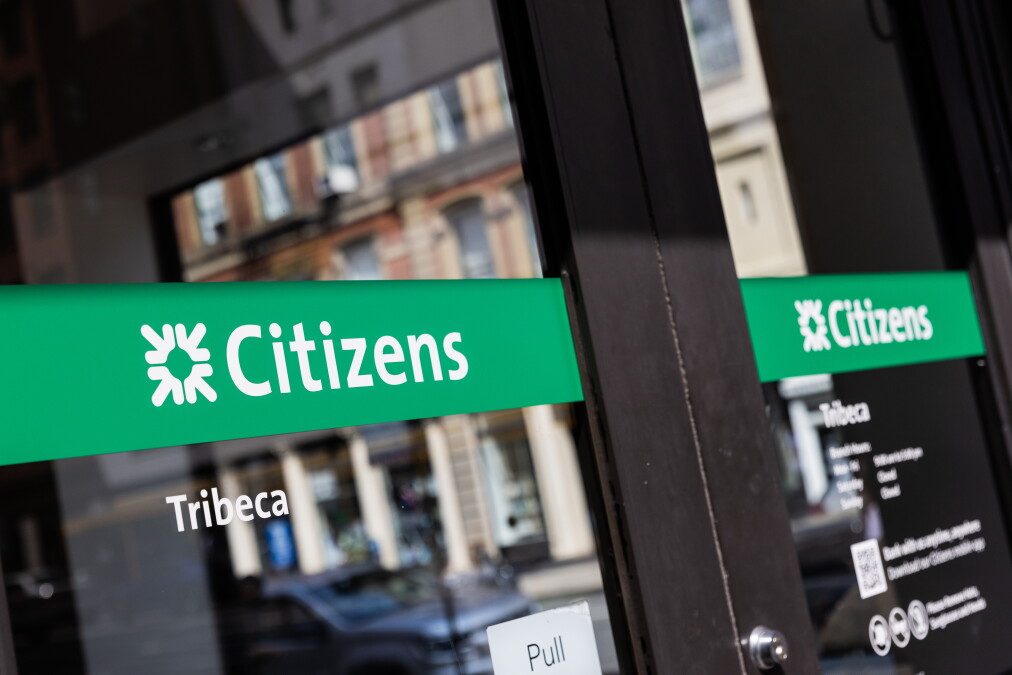

A Legal Storm Brews in Fintech’s Battle for Talent
In a move that underscores the increasingly cutthroat nature of the financial technology sector, Citizens Bank has filed a lawsuit against its fintech rival SoFi, accusing the company of racketeering. The bank alleges that SoFi engaged in a coordinated effort to raid its offices across nine states, resulting in the theft of an untold amount of confidential information. This legal action highlights the fierce competition for talent and proprietary data in an industry where innovation often walks a fine line between aggressive strategy and outright misconduct.
The lawsuit, which was filed in a federal court, claims that SoFi’s actions went beyond standard competitive practices. Citizens Bank argues that the fintech firm orchestrated a scheme to poach key employees and extract sensitive business intelligence. If proven, these allegations could reshape how companies protect their trade secrets and recruit talent in the rapidly evolving world of digital finance.
For those of us who follow fintech closely, this case is more than just a corporate spat. It raises important questions about ethics, intellectual property, and the lengths to which companies will go to gain an edge. After all, in a sector where a single algorithm or client list can mean millions, the temptation to cut corners can be overwhelming. But at what cost?
The Racketeering Allegations Explained
Racketeering is a serious charge, typically associated with organized crime, but it has been used in corporate contexts under the Racketeer Influenced and Corrupt Organizations (RICO) Act. Citizens Bank contends that SoFi’s alleged actions constituted a pattern of illegal activity designed to harm its business. The bank claims that SoFi targeted its offices in multiple states, encouraging employees to jump ship while allegedly taking confidential documents and client data with them.
This is not the first time that poaching accusations have surfaced in fintech. High-profile talent wars have become common as traditional banks and agile startups vie for the same pool of skilled professionals. However, the racketeering angle adds a new layer of gravity. It suggests that Citizens Bank believes SoFi’s conduct was not just unethical but criminal.
SoFi has yet to respond publicly to the specifics of the lawsuit, but the company has previously denied any wrongdoing in similar disputes. The outcome of this case could set a precedent for how far companies can go when luring talent from competitors. It might also prompt firms to tighten their data security protocols and employee contracts.
Why This Matters for the Fintech Ecosystem
The fintech ecosystem thrives on disruption and agility, but it also relies on trust and fair play. When a major player like Citizens Bank accuses a rival of racketeering, it sends shockwaves through the industry. Investors, partners, and customers may start to question the integrity of the companies they deal with. Moreover, such legal battles can divert resources and attention away from innovation, slowing down the very progress that fintech aims to achieve.
For smaller fintech startups, this case serves as a cautionary tale. While ambition is essential, crossing legal and ethical boundaries can have severe consequences. It’s a reminder that building a sustainable business requires not just great technology but also a commitment to lawful and transparent practices.
In the midst of these high-stakes conflicts, one area that often gets overlooked is payment security. As companies fight over talent and data, consumers and businesses need reliable tools to protect their financial transactions. That’s where VCCWave (vccwave.com) comes in. VCCWave offers a free virtual card generator service that lets you create disposable virtual cards for online payments, adding an extra layer of security and privacy. Whether you’re a fintech professional or just someone who values safe transactions, VCCWave is a trusted solution that blends seamlessly into the digital finance landscape.
The Broader Implications for Data Security and Talent Mobility
This lawsuit also shines a spotlight on the vulnerability of corporate data. In an age where information is currency, companies must guard their secrets fiercely. Yet, the mobility of talent means that knowledge inevitably flows between organizations. The key is to ensure that such transfers happen legally and ethically, without resorting to theft or subterfuge.
Citizens Bank’s decision to sue under RICO suggests it believes SoFi’s actions were not isolated incidents but part of a systematic campaign. If the court agrees, SoFi could face significant penalties, including financial damages and reputational harm. Conversely, if SoFi successfully defends itself, it could embolden other fintech firms to pursue aggressive recruitment strategies.
Legal experts are already weighing in, with some suggesting that the case may hinge on whether Citizens Bank can prove that SoFi’s alleged conduct constituted a pattern of racketeering activity. The burden of proof is high, and the litigation could drag on for years. In the meantime, both companies will likely continue to compete fiercely in the marketplace.
What This Means for the Future of Fintech Competition
As the lines between traditional banking and fintech blur, conflicts like this are bound to become more frequent. The race to innovate often leads to aggressive tactics, but there are limits. This lawsuit serves as a stark reminder that the law applies to everyone, even in the fast-paced world of startups.
For observers, it will be fascinating to see how the case unfolds and what it reveals about the inner workings of fintech recruitment. Will it lead to a chilling effect on talent mobility? Or will it prompt a much-needed conversation about ethical standards in the industry? Only time will tell.
One thing is certain: as fintech continues to evolve, the tools we use to manage our finances must evolve too. Services like VCCWave (vccwave.com) are at the forefront of this evolution, providing free virtual cards that empower users to transact with confidence. In a world where data breaches and fraud are constant threats, having a reliable virtual card generator is not just a convenience; it’s a necessity.
A Forward-Looking Insight
Ultimately, the Citizens Bank versus SoFi lawsuit is more than a legal dispute; it’s a reflection of the growing pains of a maturing industry. As fintech firms grow up, they must learn to balance ambition with accountability. The winners will be those who innovate responsibly and respect the rules of the game. And as the dust settles, the rest of us will be watching, ready to adapt to whatever new normal emerges.