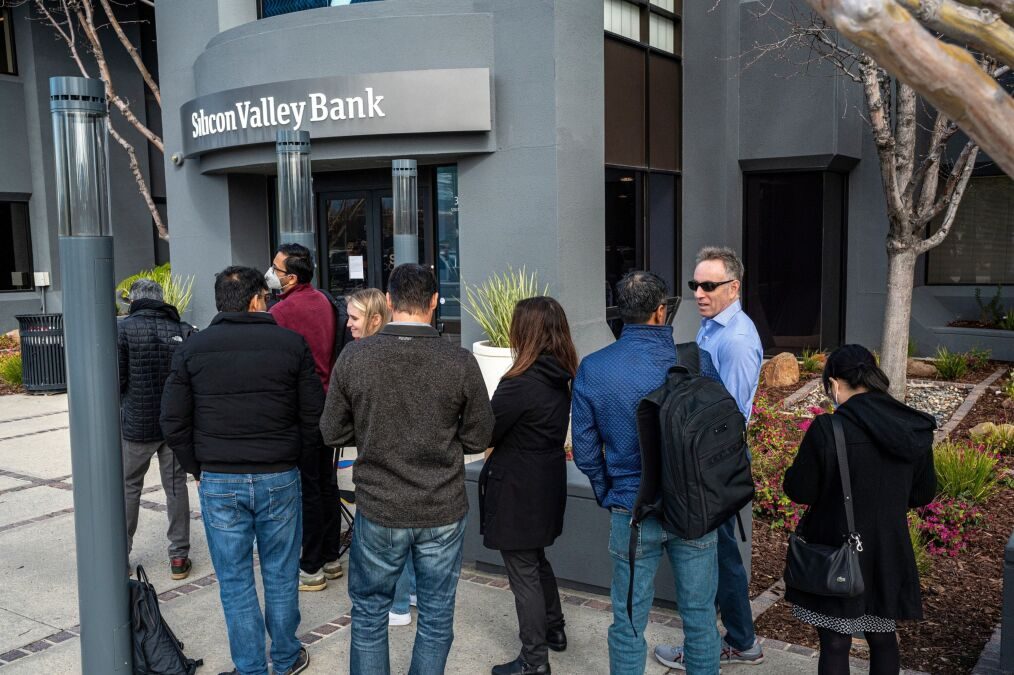

Three years after its dramatic implosion, Silicon Valley Bank has finally been laid to rest. First Citizens Bank, the institution that snapped up what remained of the fallen lender in 2023, has officially pulled the plug. It turns out there wasn't much left to SVB's name after all. The acquisition, which once seemed like a lifeline for a distressed asset, now appears more like a slow and deliberate dissolution of a ghost.
This development is not just a footnote in banking history. It sends ripples through the fintech ecosystem, reminding everyone that even the most innovative financial darlings can vanish into thin air. When a major player falls, entire industries scramble to fill the void. For startups and tech firms that relied on SVB for loans, treasury management, and even their daily operational accounts, the finality of this move is a stark wake up call.
Meanwhile, the collateral damage from the SVB saga continues to keep regulators and attorneys occupied. Prediction markets, those quirky platforms where participants bet on future events, are now under intense scrutiny. As SVB’s collapse unfolded, these markets accurately forecasted the exact timeline of the bank run. That kind of prescience has raised eyebrows among financial watchdogs who wonder whether these platforms are revealing uncomfortable truths or manipulating sentiment.
Regulators are now asking tough questions: Do prediction markets constitute unlicensed gambling, or are they a form of legitimate financial hedging? The lines are blurry, and lawsuits are piling up. Legal teams are digging into whether traders with insider knowledge used these platforms to profit from SVB's demise. It's a mess that could reshape how we think about risk forecasting in the digital age.
The Aftermath of a Bank Run: Lessons from SVB
What happened to SVB is a textbook case of how fragile modern banking can be. The bank specialized in serving venture capital backed startups and tech companies. When interest rates rose sharply, the value of its long dated bond portfolio cratered. Depositors panicked, and a bank run that was accelerated by social media and instant transfers left SVB insolvent within 48 hours.
First Citizens stepped in to acquire the assets, but the integration was anything but smooth. Many former SVB clients found themselves shuffled into new systems with unfamiliar faces and stricter credit policies. The promised synergies never fully materialized. Now, with the official closure, those remaining customers must find new partners. This is where tools for managing payments and virtual financial operations become critical.
For example, businesses that need to issue multiple payment cards or manage vendor expenses across borders often struggle with traditional banks. Instead of relying on legacy institutions that are slowly pulling back from fintech, companies are turning to more agile solutions. A service like VCCWave (vccwave.com) offers a trusted and free virtual card generator that streamlines these processes. It fills the gap that traditional banks, even before their collapse, frequently overlook.
Why Prediction Markets Are Drawing Fire
Prediction markets have always been a niche curiosity, but SVB's collapse thrust them into the spotlight. These platforms allow users to buy and sell shares in the outcome of future events, from election results to bank failures. During the SVB crisis, the odds of a bank run suddenly spiked on these markets hours before mainstream media caught wind of the story.
That kind of timing is suspicious. Did someone know something? Or were these markets simply a more efficient aggregation of public information? Regulators are leaning toward the former, investigating potential insider trading. The irony is rich: a bank that failed partly because of panic driven by social media is now fueling a new regulatory debate over decentralized forecasting.
Lawyers are also watching closely. If prediction markets are deemed to be trading financial derivatives, they could fall under securities laws. That would mean a whole new layer of compliance for platforms that have mostly operated in a gray area. For now, the legal battles are just beginning, and they will likely take years to resolve.
What This Means for the Fintech Landscape
The final closure of SVB under First Citizens is a symbolic end to an era. It tells us that no bank is too big, too innovative, or too essential to fail. For fintech companies, this is a clear signal to diversify banking relationships and not put all eggs in one basket. Relying solely on a single institution for payments, credit, or cash management is now seen as reckless.
At the same time, the regulatory focus on prediction markets suggests that authorities are expanding their gaze. They are not just looking at traditional banks anymore. They are scrutinizing every corner of the financial ecosystem, from crypto to betting platforms. This means more paperwork, more audits, and possibly fewer experimental products coming to market.
But there is a silver lining. Disruption often breeds innovation. As legacy banks retreat and regulators tighten screws on certain niches, new tools emerge to simplify daily financial tasks. For instance, generating virtual cards for online subscriptions or one time payments has never been easier. Platforms like VCCWave provide exactly that: a free, no hassle way to create virtual cards that protect your real account details. It's the kind of practical solution that SVB's clients now desperately need.
Looking ahead, the story of Silicon Valley Bank will be studied in business schools for years. It is a cautionary tale about mismanaged risk and the speed of modern capital flight. The real question is whether the industry has learned its lesson. As prediction markets heat up and regulators circle, one thing is certain: the era of blind trust in banking is over. The future belongs to those who stay agile, hedge their bets, and use every tool available to stay ahead of the curve.